
Torrance Genealogy Records and Family History
Torrance genealogy records trace families through vital documents maintained by Los Angeles County offices in downtown Los Angeles and Norwalk. Birth certificates, death records, and marriage licenses for Torrance residents are filed with Los Angeles County since this South Bay city sits within the largest county in California. Founded in 1912 as a planned industrial community by developer Jared Sidney Torrance, the city grew from farmland to a major residential and business center. Local libraries, historical societies, and community resources preserve documents about the families who built Torrance from its early days as a company town through its transformation into a diverse modern city with significant Japanese American heritage.
Torrance Genealogy Quick Facts
Los Angeles County Vital Records
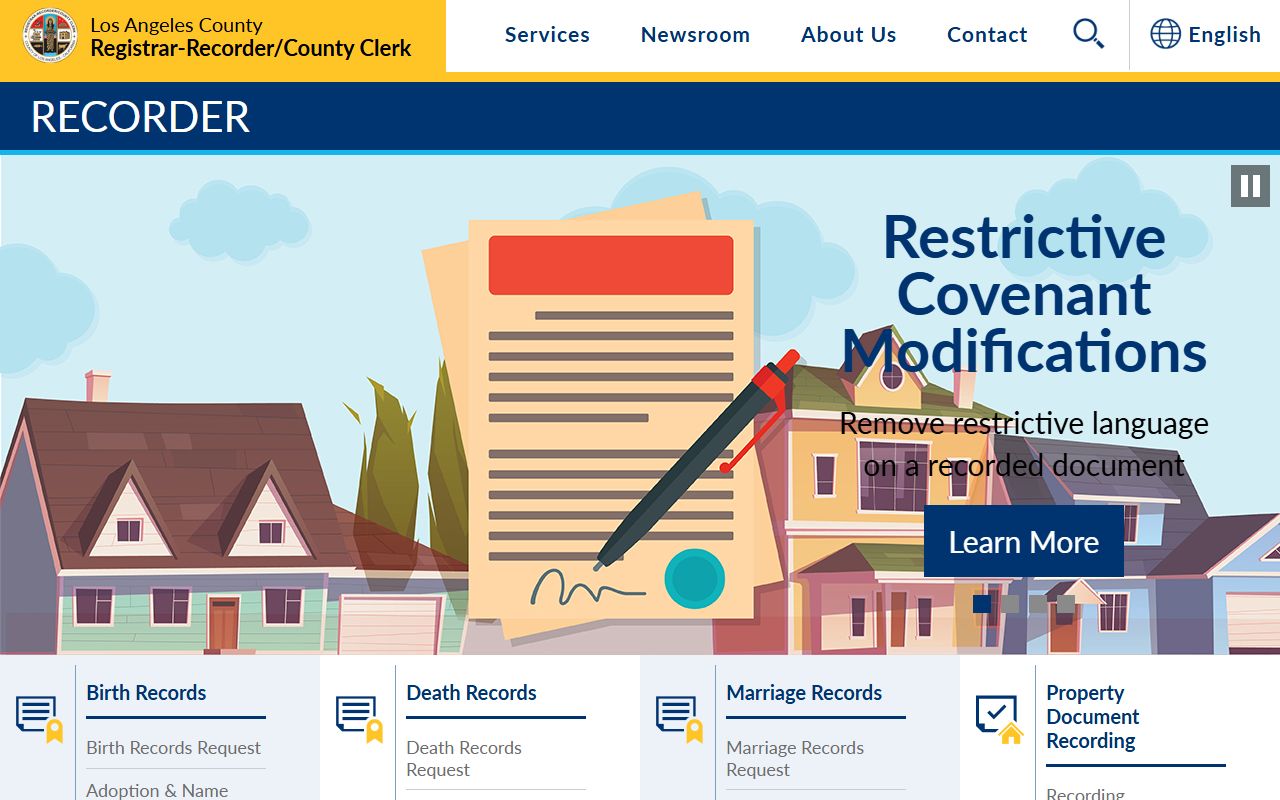
Los Angeles County maintains all vital records for Torrance at their Registrar-Recorder offices. The main office sits in Norwalk while another location operates downtown. Both handle birth and death certificates plus marriage licenses. The Los Angeles County Recorder website provides information on services and office locations.
Birth certificates cost thirty one dollars. Death records are twenty six dollars. Marriage certificates run nineteen dollars per copy. These prices match state requirements for county fees. Los Angeles County processes thousands of requests daily due to the massive population. Processing times vary but typically take two to three weeks for mail requests.
Los Angeles County has maintained records since California statehood in 1850. Torrance did not exist until 1912 so earlier records for the area would list other place names. Rancho San Pedro covered much of the South Bay before American settlement. Census records and land documents show who lived here before Torrance was founded.
Request informational copies for genealogy research. Informational copies contain the same details as certified copies but do not require notarized statements. They cost the same amount. Only close family members can obtain certified copies for legal use under California law. Genealogists receive informational copies marked for research purposes only.
Torrance Public Library Resources
The Torrance Public Library system serves researchers through several branch locations. The main library downtown provides reference materials for genealogy including local history books, city directories, and phone books. Staff can guide patrons toward county resources and online databases.
Library computers offer free access to subscription genealogy websites. Ancestry.com, HeritageQuest, and other databases are available to library card holders. These services normally charge fees but library access is free. Many databases can be accessed from home with a valid library card.
Newspaper archives on microfilm include the Daily Breeze and earlier South Bay publications. Obituaries, wedding announcements, and local news provide family history details. The newspaper morgue contains decades of coverage documenting Torrance development and residents. Digital newspaper databases supplement microfilm holdings.
Note: The library does not maintain vital records but can direct researchers to proper offices.
Torrance Historical Society
The Torrance Historical Society preserves local heritage through archives, exhibits, and programs. Their collections include documents and photographs about families who lived in Torrance from its founding in 1912 forward. The society maintains research files organized by topic and family name.
Early Torrance was planned as an industrial city with residential neighborhoods for workers. The Dominguez Land Company developed the original townsite. Company records, property documents, and business files help trace families who moved here for employment. Many early residents worked for manufacturing firms that located in Torrance.
Japanese Americans formed a significant portion of Torrance's population before World War II. The community suffered during internment when families were forced from their homes. After the war, many returned to rebuild their lives. The historical society preserves materials about this important part of local history.
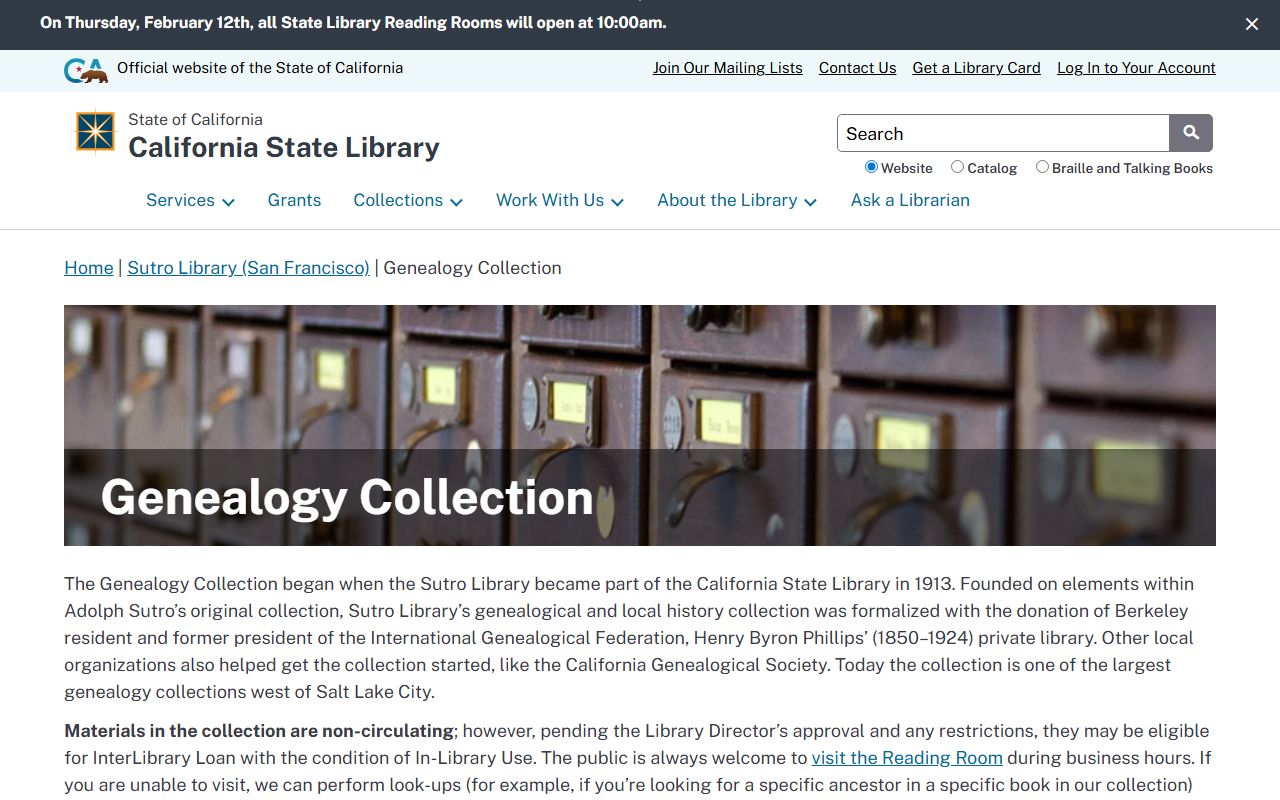
Cemetery records from local burial grounds help genealogy research. The Sutro Library in San Francisco holds extensive California cemetery records and indexes. Their genealogy collection is one of the largest west of Salt Lake City. Researchers can visit in person or request lookups by email.
South Bay Regional Resources
The South Bay region of Los Angeles County includes multiple cities with shared history. Families often moved between Torrance, Redondo Beach, Manhattan Beach, Hermosa Beach, and nearby communities. Research should cover the broader region since vital events may have occurred in different cities over time.
Los Angeles County maintains deed records at the Registrar-Recorder office. Property documents from 1850 forward are indexed and available. Early land ownership in the Torrance area traces back to Spanish and Mexican land grants. Rancho San Pedro was one of California's largest ranchos covering much of the South Bay.
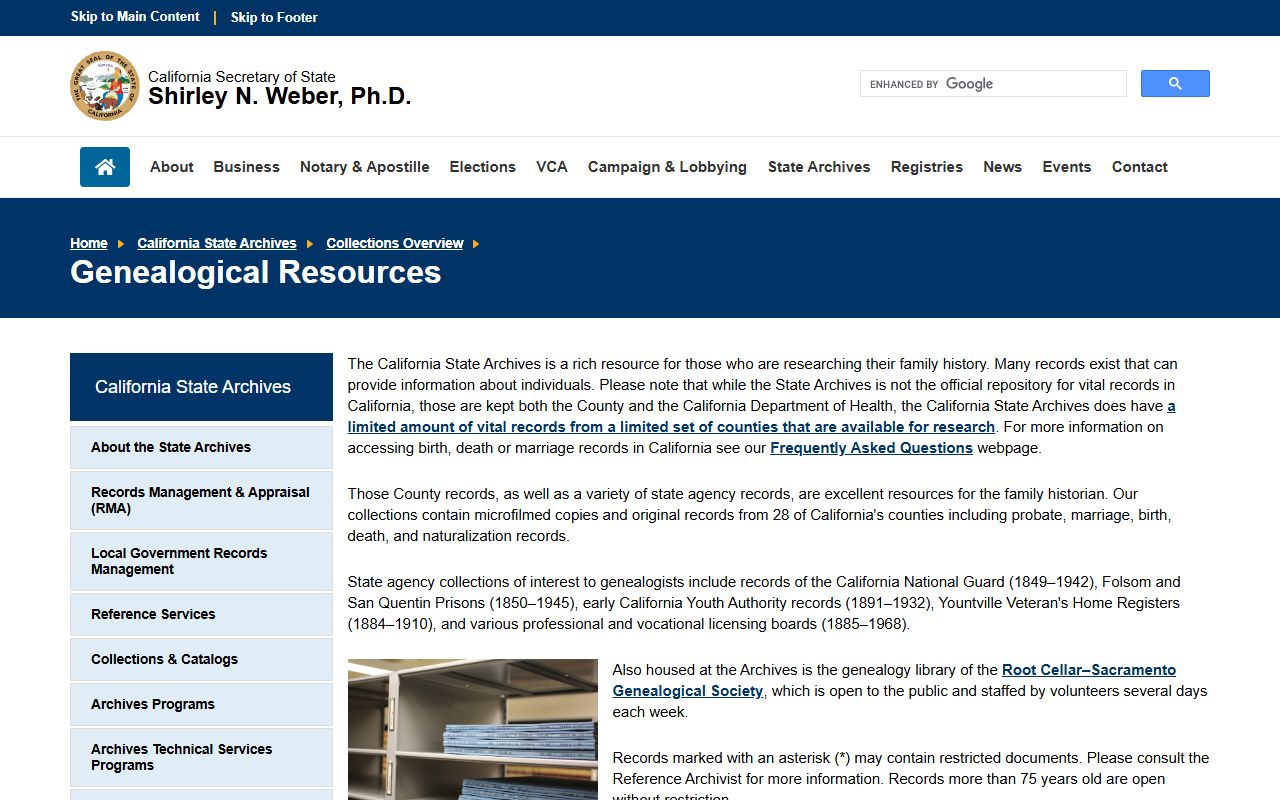
The California State Archives holds Los Angeles County materials including court records and government documents. Their Sacramento facility preserves records that supplement local holdings. Census records, naturalization files, and military records provide additional genealogy sources.
Online Genealogy Databases
FamilySearch provides free California vital record indexes. The California Birth Index 1905-1995 includes Los Angeles County births. Search by name and approximate date to verify records exist before ordering copies. The index shows limited information but confirms whether certificates are available.
Ancestry.com hosts census records, city directories, and newspapers for Los Angeles County. Federal census records from 1850 to 1950 are searchable. They list household members, ages, birthplaces, and occupations. Torrance appears in census listings from 1920 forward after incorporation. Earlier records show the area under different place names.
The California Digital Newspaper Collection at cdnc.ucr.edu includes Los Angeles area newspapers. Search for family names to find articles and announcements. The collection expands regularly as digitization continues. It provides convenient access to historical newspapers.
Torrance Genealogy Research Tips
Begin with living relatives to gather names, dates, and family stories. Write down all information even if details seem uncertain. Small clues often prove valuable later. Focus on one generation at a time working backward from present to past. Do not skip generations or research becomes confusing.
Order vital records for each ancestor. Birth certificates list parents and birthplaces. Death records show burial information. Marriage licenses name both families. Each document provides different details. Cross reference multiple sources to verify facts and catch errors that appear in single records.
Census records track families every ten years. The 1940 census shows Torrance during World War II before internment of Japanese American residents. Earlier census years document city growth from a small planned community to a substantial city. Note neighbors and boarders since families often housed extended family members.
Property records document land ownership. Many families owned homes in Torrance. Deeds and tax records create paper trails showing purchases, sales, and transfers. Probate files list heirs when property passed through estates. These records reveal family relationships and economic circumstances.
Nearby Research Locations
Long Beach borders Torrance to the southeast with its own historical collections and libraries. Los Angeles is the county seat holding major genealogy resources including the Los Angeles Public Library and Southern California Genealogical Society.
Other South Bay cities with research potential include Carson, Inglewood, and Hawthorne. All are part of Los Angeles County. Families often had connections across multiple cities in the region.