
Inglewood Genealogy and Family Records
Inglewood genealogy records trace family histories through vital records maintained by Los Angeles County and local historical collections at the Inglewood Public Library. Birth certificates, death records, and marriage licenses for Inglewood residents are processed by the Los Angeles County Registrar-Recorder/County Clerk office. Inglewood incorporated in 1908 and became a major center for African American families during the Great Migration and post-World War II era. Local library collections, church records, and African American genealogy resources supplement county vital records for comprehensive family history research in the Inglewood area.
Inglewood Genealogy Quick Facts
Inglewood Vital Records Access
All vital records for Inglewood are maintained by Los Angeles County, not by the city. The Los Angeles County Registrar-Recorder/County Clerk office at 12400 Imperial Highway in Norwalk processes all requests for birth, death, and marriage certificates for events that occurred in Inglewood.
Contact the Los Angeles County Recorder to order vital records online through apps.lavote.net/BDM, by mail, or in person. Birth certificates cost thirty one dollars. Death certificates run twenty six dollars. Marriage certificates cost nineteen dollars. Same day service is available for walk-in requests when records are on file.
For genealogy research, order informational copies rather than certified copies. Informational copies require no notarized forms and cost the same amount. They work perfectly for family history even though they cannot establish legal identity. Processing takes one to two weeks for mail requests and same day for in person visits.
Marriage licenses are kept by the county where they were issued. If ancestors married in Inglewood but obtained their license in another county, request the record from that other county. This matters for marriages from the early to mid-1900s when couples sometimes traveled between counties.
Inglewood Public Library Local History
The Inglewood Public Library maintains local history collections documenting the city's development from an agricultural community to a diverse urban center. The collection includes city directories, historical photographs, maps, newspapers on microfilm, and vertical files about Inglewood families, businesses, churches, and community organizations.
City directories from the early 1900s list Inglewood residents with addresses and occupations. These annual publications help track families over time and identify neighborhood patterns. The library holds directories in original format and microfilm. Some gaps exist during World War II when directory publication was limited due to war restrictions.
Local newspapers include the Inglewood Daily News and other publications. Obituaries provide death information, family relationships, and biographical details. Church announcements, social columns, and community news place ancestors in local context. The library staff can help locate specific articles and obituaries for genealogy research.
Inglewood's population grew dramatically during and after World War II. Aircraft industry jobs at nearby factories attracted workers from across the United States. Many African American families moved to Inglewood during the Great Migration seeking employment and homeownership opportunities. City directories from the 1940s and 1950s show this rapid demographic change.
African American Genealogy in Inglewood
Inglewood became a major center for African American families in Southern California during the mid-1900s. Church records provide vital genealogy resources for Black families. Baptist, Methodist, and other congregations kept detailed membership rolls, baptism records, marriage records, and burial information. These church registers often include details not found in civil records.
The African American Museum and Library at Oakland holds collections relevant to Black California families including Inglewood residents. Their holdings include migration records, employment files from major employers, and community organization records. Many Inglewood families trace their California roots to the Great Migration from Southern states during the 1940s through 1960s.
School records help trace families with children in Inglewood schools. Inglewood Unified School District records include enrollment files, yearbooks, and athletic rosters. Schools were important community institutions, and school records often survive when other local records are lost. Yearbooks provide photographs and names that confirm family connections.
Inglewood cemeteries and Los Angeles area burial grounds hold interment records for local families. Inglewood Park Cemetery serves the community with records dating back decades. Cemetery files include burial dates, plot locations, and next of kin information. Some families chose burial in other Los Angeles County cemeteries or maintained connections to burial grounds in their states of origin.
Inglewood Historical Society
The Inglewood Historical Society preserves records and artifacts documenting city history. Collections include business records, organization files, photographs, and oral histories from longtime Inglewood residents. The society operates a research facility where genealogists can access local history materials.
Early Inglewood developed around agriculture, particularly poultry and dairy farming. Land records trace property ownership from Spanish and Mexican land grant periods through American settlement. Homestead records, deed transfers, and property tax rolls help identify when families arrived and where they lived. The city incorporated in 1908 after the arrival of rail service.
World War II brought aerospace industry growth to the Los Angeles area. North American Aviation and other companies employed thousands of workers. Employment records, union files, and company newsletters help trace working families. The Forum arena and Hollywood Park racetrack made Inglewood a regional entertainment destination, creating service industry jobs that supported many families.
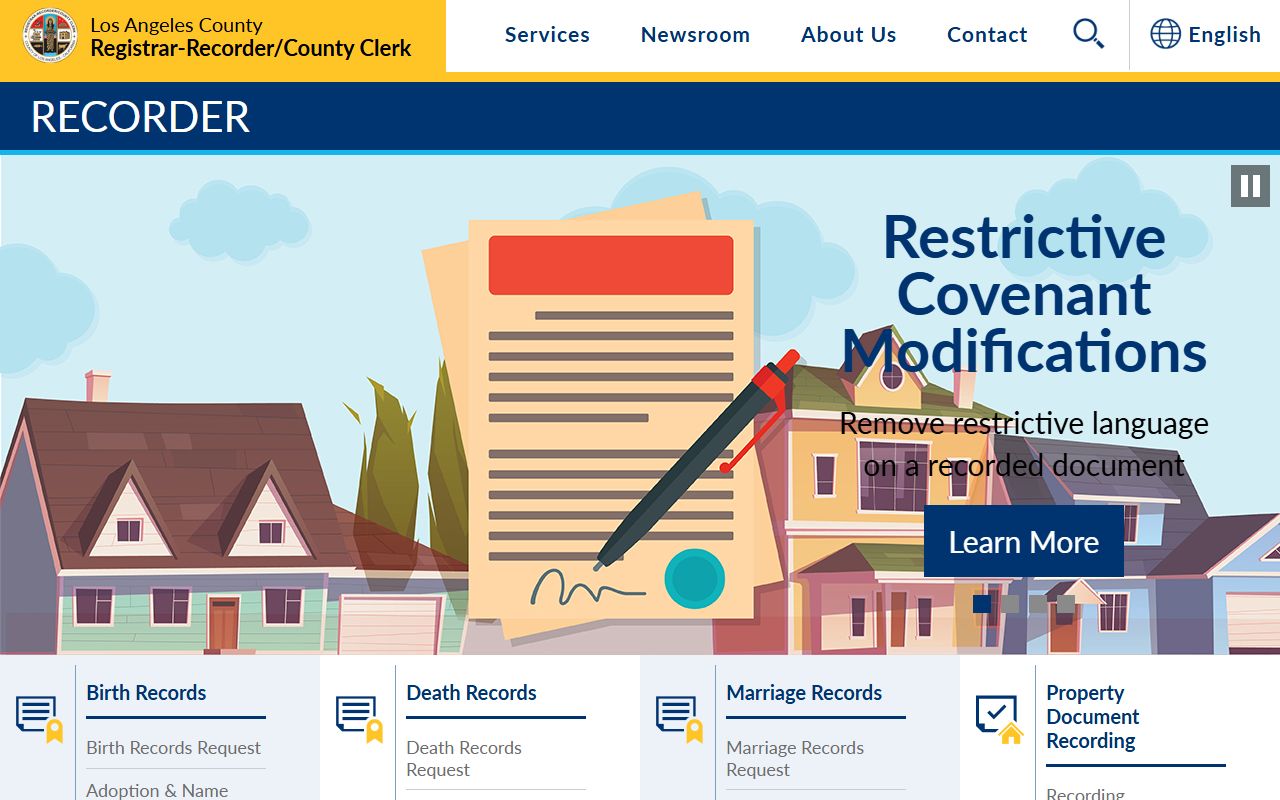
Note: Restrictive housing covenants that limited African American homeownership were struck down by court decisions in the late 1940s, opening Inglewood to Black families seeking suburban housing.
Inglewood Genealogy Research Tips
Inglewood genealogy research often involves migration stories. Many families moved to Inglewood from other states, particularly Southern states during the Great Migration. Trace families backward using forwarding addresses, voter registration changes, and church membership transfers. Southern church records often provide baptism and marriage information predating California settlement.
Railroad and ship passenger records help document family arrivals in California. Families traveling from the South often came by train during the 1940s and 1950s. Some earlier families arrived via ship through Los Angeles or San Francisco ports. The National Archives holds passenger arrival records and immigration documents for families entering through California ports.
Military service records supplement civilian vital records for veterans. Many Inglewood residents served in World War II, Korea, and Vietnam. Veterans Administration files, draft registration cards, and military service records provide birth dates, birthplaces, and family information. The National Archives holds most military personnel files for discharged veterans.
Nearby Los Angeles County Cities
Several other large cities in Los Angeles County offer additional genealogy resources. Researchers with Inglewood ancestors should check nearby cities where families maintained connections or moved over time.
Cities near Inglewood include Los Angeles, Torrance, Hawthorne, Compton, Gardena, and El Segundo. All these cities use the Los Angeles County Recorder for vital records but maintain separate library collections and historical societies.