
Compton Genealogy Research
Compton genealogy records are maintained through Los Angeles County systems for this historic city of over 95,000 residents in southern Los Angeles County. Birth certificates, death records, and marriage licenses for Compton residents go through Los Angeles County Registrar-Recorder offices in Norwalk about fifteen miles southeast. Founded in 1888 and incorporated in 1888, Compton developed from agricultural settlement to significant African American community during the Great Migration, creating unique genealogy research paths for families who moved to California from southern states between 1940 and 1970. Start Compton genealogy research at Los Angeles County offices, then explore local library collections, historical society archives, and specialized African American genealogy resources that document the community's demographic transformation across generations.
Compton Research Quick Facts
Los Angeles County Vital Records Office
All Compton vital records are kept at Los Angeles County Registrar-Recorder offices. The main facility sits at 12400 Imperial Highway in Norwalk. Birth, death, and marriage documents for Compton residents get filed through this county system regardless of where in the city events occurred.
The Los Angeles County Registrar-Recorder processes all vital record requests for county residents including Compton families. Birth certificates cost thirty one dollars. Death records run twenty six dollars. Marriage certificates are nineteen dollars. These fees match statewide rates set by California law for 2026.
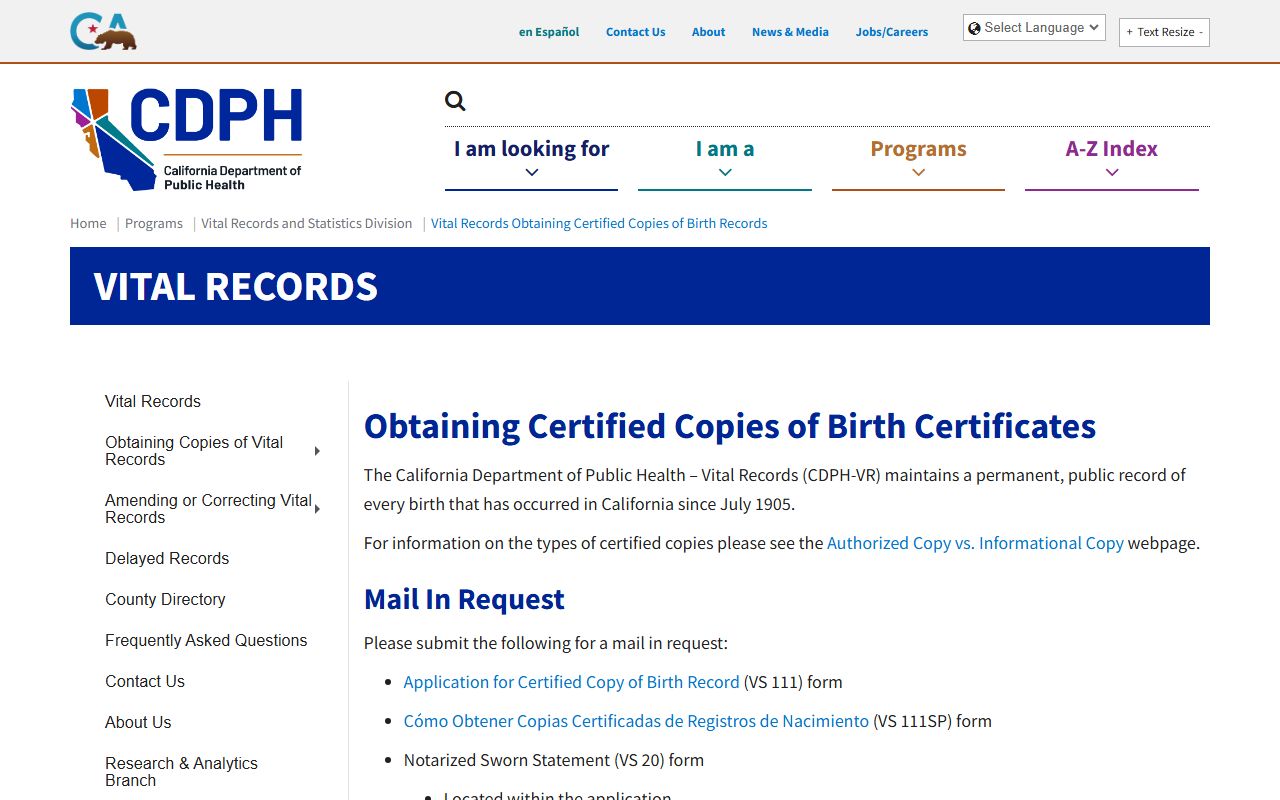
Los Angeles County maintains records from 1850. Compton area records from the 1880s onward document the city's development. County staff can search databases by name and approximate date if you lack exact information. Call 562-462-2060 for assistance with Compton genealogy records before visiting.
Processing times vary. Online orders take about two weeks. Mail requests may take longer. In person visits to Norwalk may provide same day service if records are readily accessible. Records before 1905 exist only at the county level since California had no statewide vital records system until that year.
Compton Library Local History
Compton Library maintains local history materials including city directories, high school yearbooks, historical photographs, and newspaper archives. The library collection documents Compton's transformation from agricultural community to suburban city with significant demographic shifts across the twentieth century.
Ancestry Library Edition is available on library computers. Search California census records, vital record indexes, and city directories. This subscription database requires in library use. No remote access is available through library cards. The library also provides access to newspaper databases with searchable Compton content.
Compton newspapers including the Compton Herald American documented city life for decades. The library has issues on microfilm and some digitized editions. Obituaries provide family details not found in death certificates. Wedding announcements name both families. Church news and social columns mention community activities that place ancestors in context.
African American newspapers from Los Angeles also covered Compton extensively. The California Eagle, Los Angeles Sentinel, and other publications documented black community life. These papers provide crucial information about families who moved to Compton during the Great Migration. UCLA and other research libraries hold these newspaper archives.
Great Migration Genealogy Resources
Many Compton families came from Texas, Louisiana, Mississippi, Arkansas, and other southern states between 1940 and 1970. This movement was part of the Great Migration when millions of African Americans moved from the South to northern and western cities. Researching Compton families often requires tracking ancestors in multiple states.
Census records show this migration. Federal census from 1940 through 1970 lists birthplaces for household members. If census shows parents born in Texas but children born in California, the family likely migrated between those census years. Use this information to identify which southern county to research for earlier generations.
Southern state vital records may be needed to extend your family tree. Each state has different record keeping systems and access rules. FamilySearch has databases covering many southern states. State archives in Texas, Louisiana, and Mississippi hold extensive African American family records. Church records often fill gaps where civil records are missing.
Military records document service during World War II, Korea, and Vietnam. Many Compton men served in these conflicts. Draft cards, enlistment records, and service files are held by National Archives. These records provide birthdates, next of kin, and physical descriptions. They help confirm family relationships and track movements.
Compton Historical Society Archives
The Compton Historical Society preserves materials about local history including family papers, business records, and photograph collections. While resources are limited compared to larger cities, the society maintains materials donated by longtime residents that may include information about your Compton ancestors.
Collections document Compton's agricultural period, suburban development, and demographic changes. Photographs show Compton streets, businesses, schools, and community events across decades. These images provide context for family stories and may include your ancestors in group photos.
Contact the society through their website or local contacts for research assistance. They can connect you with other researchers working on Compton family lines and provide guidance about local resources beyond what libraries offer.
Online Compton Genealogy Databases
FamilySearch offers free California vital record indexes including Compton residents. The California Birth Index covers 1905 to 1995. Death indexes span 1905 to 1939. Search by name to confirm records exist before ordering certificates from Los Angeles County.
Census records track Compton families from 1900 forward after incorporation. Federal census from 1900 through 1950 provides household snapshots with ages, birthplaces, and occupations. The 1940 census includes additional questions about residence five years earlier, helping track migration patterns.
The California Digital Newspaper Collection includes digitized papers from Los Angeles County. Search for Compton names in regional publications to find obituaries, wedding announcements, and news items. Even brief mentions help place ancestors in time and verify relationships.
AfriGeneas specializes in African American genealogy with forums, databases, and research guides. This free website helps researchers overcome obstacles specific to tracing black families. Members share expertise about southern records and migration research strategies relevant to Compton families.
Compton Area Cemetery Records
Woodlawn Cemetery on Compton Boulevard has served the community for over a century. This cemetery holds burials of many longtime Compton residents. Gravestones provide birth and death dates plus family groupings. The cemetery office maintains records showing plot locations and burial dates.
Find A Grave has photographed many Woodlawn headstones. Search this free website by name to view graves without visiting. Volunteers continue adding photos and transcriptions. You can request a photo if your ancestor's stone is not yet documented online.
Other area cemeteries include Inglewood Park Cemetery and various denominational cemeteries throughout Los Angeles County. Each maintains separate records. Contact facilities directly if ancestors belonged to specific faith communities. Cemetery records often include next of kin information useful for genealogy.
Compton Family History Tips
Start with Los Angeles County vital records. Order birth, death, and marriage certificates for known Compton events. These provide official dates and family relationships that anchor your research.
Track migration patterns using census records. If your family moved from the South, identify their previous county of residence. Then research that location for earlier generations. Church records, cemetery records, and local newspapers in southern states help extend family trees before the California move.
Interview older family members about migration experiences. Record their memories about why the family moved, what work brought them to Compton, and what relatives stayed behind in the South. These oral histories provide context and clues for documentary research.
Use African American genealogy resources designed for tracking families through slavery, Reconstruction, and Jim Crow eras. Standard genealogy methods may not work for families affected by these systems. Specialized databases and research guides help overcome obstacles created by historical discrimination.
Join genealogy groups focused on African American family history. The Afro-American Historical and Genealogical Society and similar organizations provide expertise and support. Online forums connect you with researchers facing similar challenges. Shared knowledge speeds research progress.
Research in Nearby Cities
Compton borders several Los Angeles County cities relevant to family research. Carson lies to the south. Paramount sits to the east. Lynwood is west of Compton. Families moved between these communities for housing and employment opportunities.
All Los Angeles County cities use the same Registrar-Recorder office in Norwalk. You do not need to visit multiple locations for vital records.