
Search Long Beach Genealogy Records
Long Beach genealogy records help trace family history through vital records maintained by Los Angeles County and local historical collections at the Long Beach Public Library. Researchers can access birth certificates, death records, marriage licenses, and historical documents for Long Beach families dating back to the city's incorporation in 1897. The Questing Heirs Genealogical Society provides specialized research support and maintains collections focused on Long Beach area families. These combined resources make Long Beach a strong location for Southern California genealogy research.
Long Beach Genealogy Quick Facts
Long Beach Vital Records Access
Long Beach vital records are maintained by Los Angeles County, not by the city itself. All births, deaths, and marriages that occurred in Long Beach must be requested through the Los Angeles County Registrar-Recorder/County Clerk office. The county handles vital records for all cities and unincorporated areas within Los Angeles County boundaries.
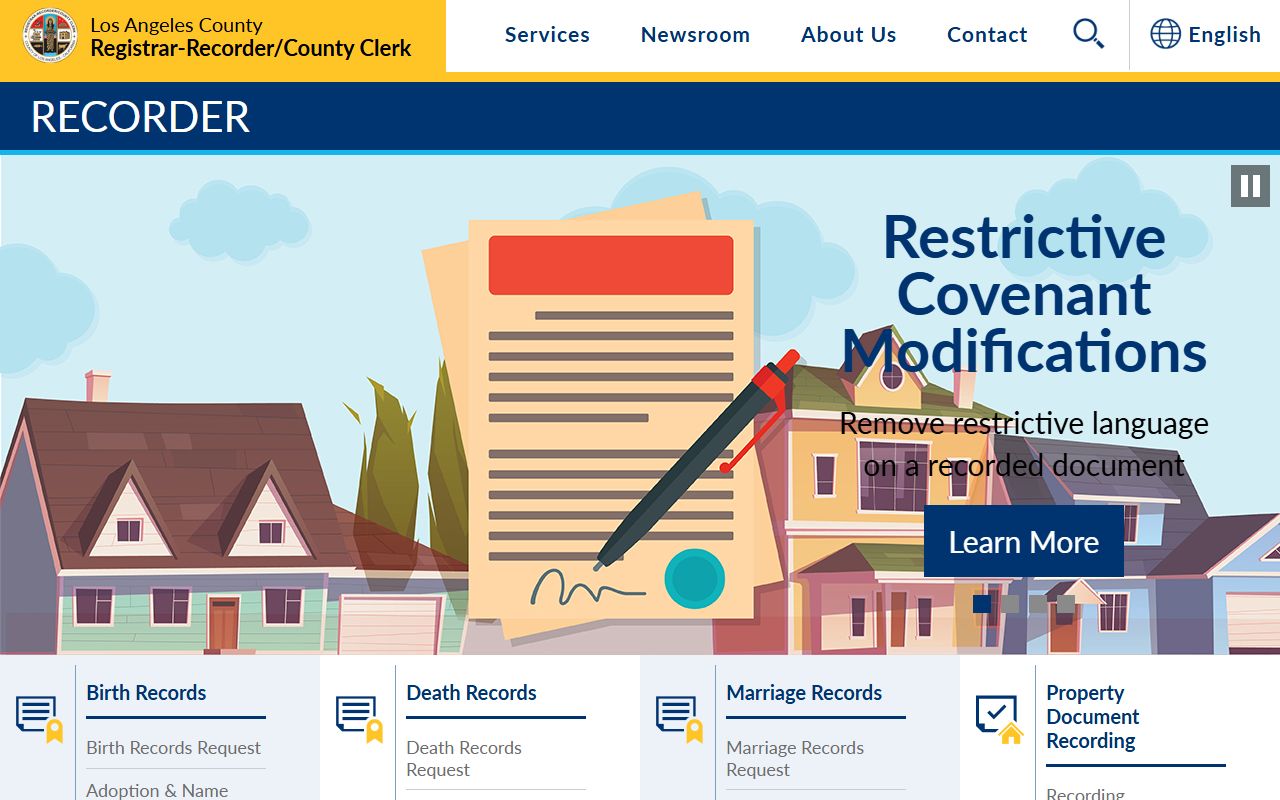
The Los Angeles County Recorder office is located at 12400 Imperial Highway in Norwalk, about twenty miles from downtown Long Beach. You can request certificates online through apps.lavote.net/BDM, by mail, or in person. Birth certificates cost thirty one dollars. Death records cost twenty six dollars. Marriage certificates run nineteen dollars.
For genealogy research, order informational copies rather than certified copies. Informational copies do not require notarized forms and cost the same amount. They work perfectly for family history research even though they cannot be used for legal identification purposes. Same day service is available for walk-in requests when the record is on file.
Marriage licenses were issued in the county where couples applied, not where they married. If your ancestors married in Long Beach but obtained the license in another county, you must contact that other county for the marriage record. This distinction matters when searching for marriage certificates from the early 1900s.
Long Beach Public Library History Collections
The Long Beach Public Library maintains the Long Beach History and Special Collections room with materials documenting the city's growth from a small beach town to California's seventh largest city. The collection includes city directories, historical photographs, maps, newspapers, and manuscript collections related to Long Beach families and businesses.
City directories from the early 1900s list Long Beach residents with addresses and occupations. These annual publications help track families over time and identify neighbors, business associates, and family connections. The library holds directories in both original format and microfilm copies. Some gaps exist for certain years, particularly during the Great Depression.
Long Beach newspapers on microfilm include the Long Beach Press-Telegram and earlier publications dating back to the 1890s. Obituaries provide death dates, surviving family members, burial locations, and biographical details not found in official death certificates. Marriage announcements and society pages mention family events and relationships. News articles about local businesses, schools, churches, and civic organizations place ancestors in their community context.
The library's photograph collection contains images of Long Beach streets, buildings, businesses, and residents. Some photographs are identified with names and dates while others require research to identify subjects. Staff can assist with accessing the collection and making photocopy requests for genealogy documentation.
Questing Heirs Genealogical Society
The Questing Heirs Genealogical Society meets at the Long Beach Public Library and maintains specialized collections for Southern California genealogy research. The society holds records, indexes, and research materials focused on Long Beach and surrounding communities. Members share research expertise and collaborate on difficult genealogy problems.
Society resources include cemetery transcriptions from Long Beach area cemeteries, obituary indexes, family files donated by members, and research guides for local records. Monthly meetings feature speakers on genealogy topics and research techniques. The society publishes a newsletter with research tips, success stories, and announcements of new records availability.
Questing Heirs members have compiled indexes to Long Beach vital records, newspaper obituaries, and cemetery burials that speed up research. These finding aids point researchers to specific sources without requiring exhaustive searches through unindexed materials. Non-members can contact the society for research assistance and information about accessing their collections.
Long Beach Historical Society and Archives
The Historical Society of Long Beach preserves documents and artifacts related to city history. Their collections include early business records, organization files, photographs, and personal papers from prominent Long Beach residents. Genealogists can find information about ancestors who participated in civic organizations, businesses, schools, and churches.
Long Beach experienced rapid growth during the 1920s oil boom and again during World War II when the Naval Shipyard and Douglas Aircraft employed thousands of workers. City directories and employment records from these boom periods help track families who moved to Long Beach for jobs. Union records, company newsletters, and business directories provide additional details about working ancestors.
Church records from Long Beach parishes supplement civil vital records. Catholic, Protestant, and Jewish congregations kept baptism, marriage, and burial records that often include more detail than government certificates. Some churches deposited historical records with local archives while others maintain their own record collections. Contact individual churches or the historical society for guidance on accessing religious records.
Tips for Long Beach Genealogy Research
Long Beach was incorporated in 1897, so records before that date fall under Los Angeles County general records rather than city-specific sources. Early Long Beach residents appear in Los Angeles County census records, tax rolls, and land records. The area was sparsely populated before the arrival of the railroad in the 1880s made beach access easier.
The 1933 Long Beach earthquake caused significant damage to buildings and may have affected some record storage. Most vital records survived because Los Angeles County maintained them at the county seat in Los Angeles rather than in Long Beach. Local records like church registers and business files suffered more losses. Gaps in local sources may require using county or state-level records instead.
Long Beach became a major Navy port during World War II. Military personnel stationed at the Naval Shipyard and nearby bases often married local residents or settled in Long Beach after discharge. Military records from the National Archives supplement civilian vital records for veterans and their families. The Long Beach Veterans Memorial Registry lists some local veterans with service details.
Nearby Los Angeles County Cities
Several other large cities in Los Angeles County offer additional genealogy resources. Researchers with Long Beach area ancestors should check neighboring cities where families may have moved or where additional records exist.
Cities near Long Beach include Los Angeles, Torrance, Lakewood, Downey, and Norwalk. All these cities use the Los Angeles County Recorder for vital records but maintain separate library collections and historical societies with local materials.