
Garden Grove California Genealogy Records
Garden Grove genealogy records help trace family history through documents maintained by Orange County offices in Santa Ana. Birth certificates, death records, and marriage licenses for Garden Grove residents are filed with the county clerk recorder vital records section. Founded in 1874 by Alonzo Cook and incorporated as a city in 1956, Garden Grove transformed from an agricultural community to one of Orange County's largest cities with nearly two hundred thousand residents. The city's diverse population includes significant Vietnamese, Mexican, and Korean communities whose immigration patterns shaped modern Garden Grove, creating rich genealogy research opportunities across multiple cultures and languages.
Garden Grove Research Quick Facts
Orange County Vital Records for Garden Grove
Orange County maintains all vital records for Garden Grove at their Santa Ana offices. The County Clerk Recorder processes birth certificates, death records, and marriage licenses. Their main office sits at the Old County Courthouse, 211 West Santa Ana Boulevard. You can order online, mail requests, or visit in person.
Birth certificates cost thirty one dollars per copy. Death records are twenty six dollars. Marriage certificates run nineteen dollars. Orange County has statewide vital records from July 1905 forward. Earlier records exist from voluntary registration. Marriage records date to the 1880s when Orange County separated from Los Angeles County.
The Orange County Vital Records website provides online ordering options. Processing typically takes two weeks for standard service. In person visits during office hours may produce same day results when records are readily accessible. Bring photo identification and exact details for the record you seek.
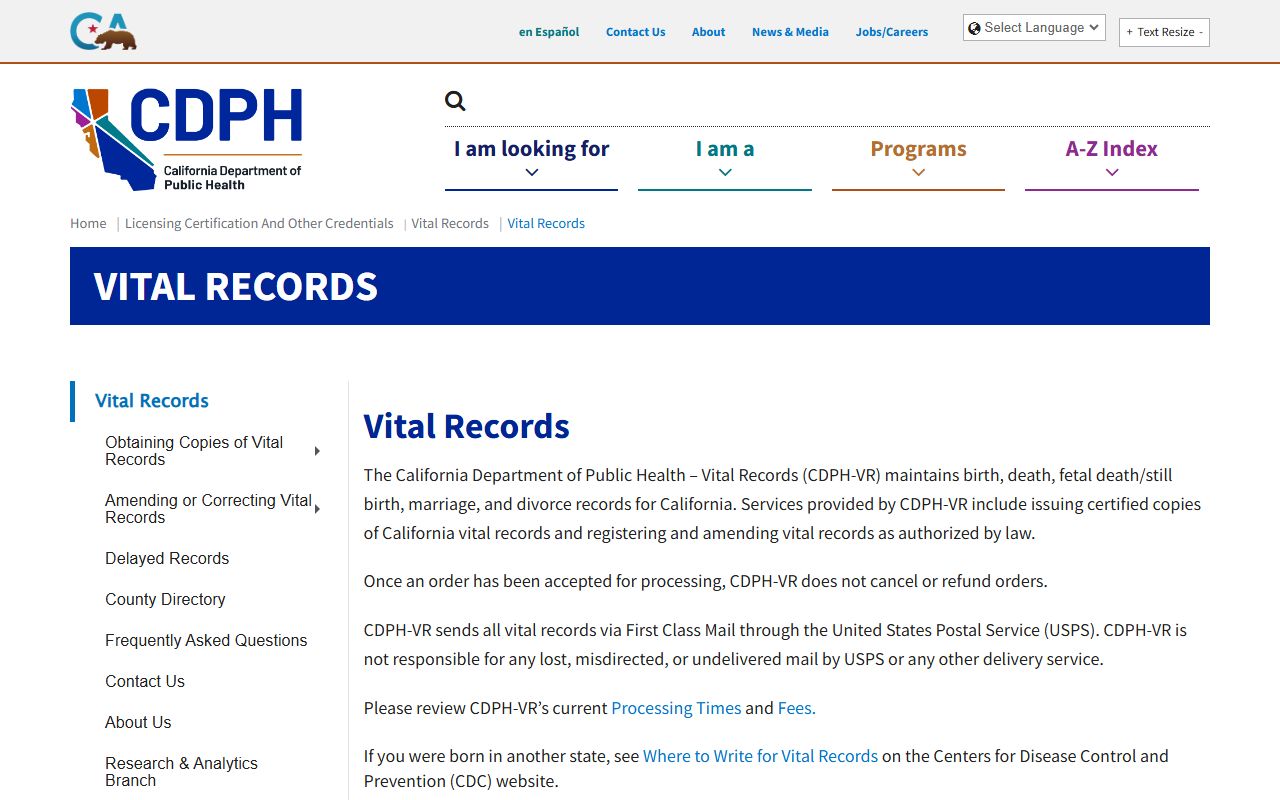
Ask for informational copies when doing genealogy research. These cost the same as certified copies but skip notarization requirements. They contain all the family history information you need even though marked not valid for identification purposes.
Garden Grove Library Local History Collection
The Garden Grove Public Library maintains local history materials documenting city development. City directories from past decades list residents by name, address, and occupation. These help trace family movement and employment. Telephone books supplement directory listings. Both resources document when families arrived in or left Garden Grove.
Newspaper archives contain obituaries with death dates, family names, and burial information. Wedding announcements appear for local couples. Community news mentions residents at schools, churches, businesses, and civic events. The library preserves clipping files on local families and subjects.
High school yearbooks document students from Garden Grove schools. Old photographs show the city's transformation from strawberry fields to urban development. Maps trace expansion over time. Cemetery records list burials at local graveyards. Library staff can guide you to materials relevant to your research period and family background.
Garden Grove's Post-War Development
Garden Grove experienced massive growth after World War II. Population jumped from under five thousand in 1950 to over forty four thousand by incorporation in 1956. Servicemen who had been stationed in Southern California returned to make Orange County their home. This boom created extensive records documenting the transformation.
Property records trace land subdivision and home construction during the 1950s and 1960s. Orange County maintains deed indexes showing purchases and sales. Tract maps document new housing developments. The county assessor keeps historical property files. These help identify when families bought homes and moved to Garden Grove.
The Orange County Archives preserves documents from this era including planning records, subdivision maps, and photographs. Their collection helps research families who arrived during post-war suburbanization. Census records from 1940, 1950, and later decades document the population explosion.
Note: Garden Grove is home to the Christ Cathedral, formerly the Crystal Cathedral, built in 1981.
Diverse Immigrant Heritage
Garden Grove has significant Vietnamese, Mexican, and Korean populations. The city's Little Saigon area became a major center for Vietnamese Americans after the 1970s. Korean businesses created "Little Seoul" in the area. Mexican American families have roots extending back generations. Each community has distinct genealogy research needs and resources.
Naturalization records help research immigrant families. Orange County keeps citizenship files showing when people became Americans. These list family members, arrival dates, and countries of origin. The files help connect California records back to Vietnam, Korea, Mexico, or other homelands. Check naturalization records even if your ancestors arrived as citizens since sometimes only one family member naturalized.
Community organizations sometimes maintain their own records. Vietnamese American historical groups preserve oral histories and documents. Korean churches keep membership records. Mexican American organizations have files on early families. These supplement official government records with cultural context and community connections.
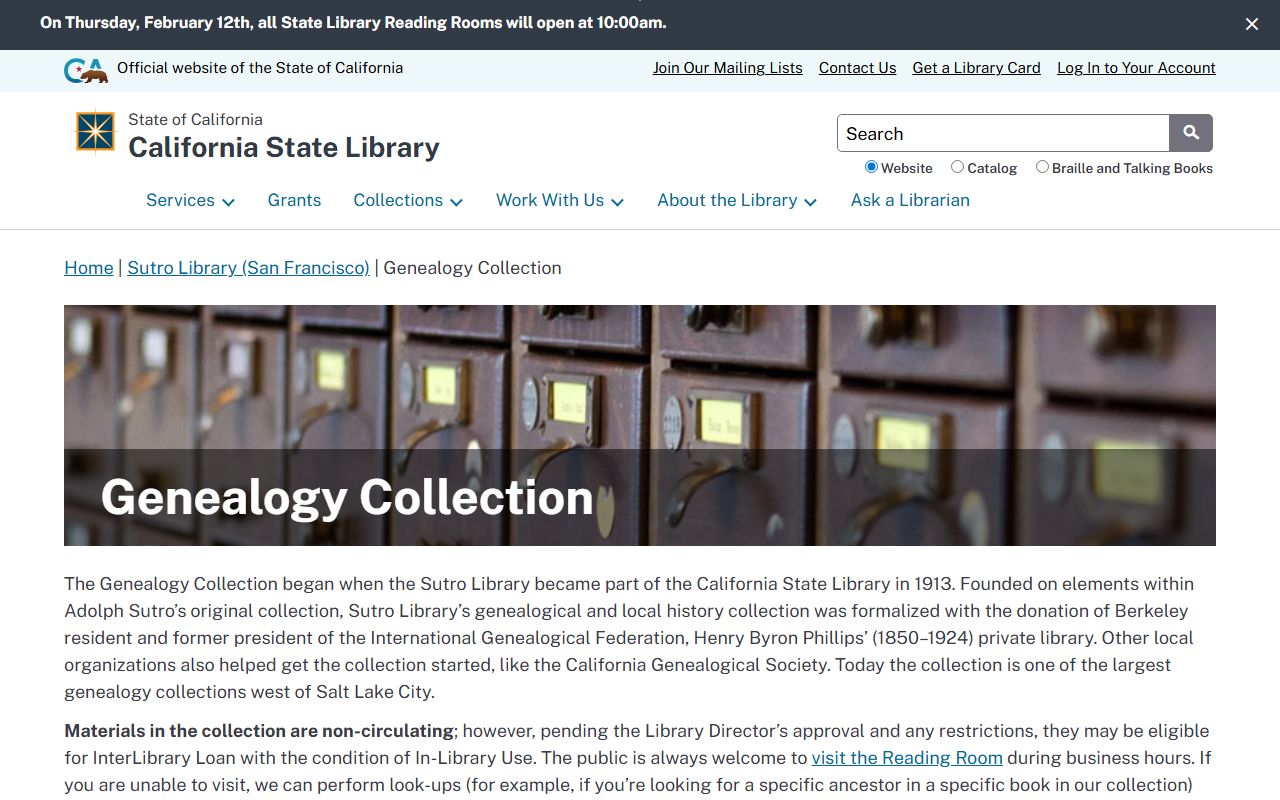
Online Genealogy Databases for Garden Grove
FamilySearch offers free California vital record indexes. The California Birth Index covers 1905 to 1995. The California Death Index spans 1905 to 1939. Search these to confirm Garden Grove records exist before ordering copies. The indexes show names and dates but not complete certificate details.
Ancestry.com has digitized census records, city directories, and newspapers for Orange County. Federal census records from 1850 to 1950 are publicly searchable. They list household members, ages, birthplaces, and occupations. Garden Grove appeared as a small settlement in early census years before exploding in population mid-century. Many libraries provide free Ancestry access on-site.
The California Digital Newspaper Collection includes Orange County papers. Search for Garden Grove to find articles, obituaries, and announcements. The collection expands as more newspapers are digitized. It supplements local library newspaper holdings.
Garden Grove Genealogy Research Tips
Start with living relatives. Interview them to gather names, dates, and stories about ancestors who lived in Garden Grove. Ask about immigration experiences, neighborhoods, and community connections. Write everything down even approximate information. Small details often solve research problems later. Focus on one generation at a time working backward.
Use census records to track families through the decades. The 1940 census is now public showing pre-war Garden Grove. The 1950 census documents the beginning of explosive growth. Later census years trace continued expansion. Note neighbors and nearby families since tight-knit communities characterized post-war developments. Many families knew each other through work, school, or church.
Order multiple types of vital records for each ancestor. Birth certificates list parents. Death records show birthplaces and informants. Marriage licenses name both families. Probate files identify heirs. Each document type reveals different information. Cross reference them to verify facts and catch recording errors. For pre-1956 records, the location might be listed as unincorporated Orange County rather than Garden Grove.
If your family immigrated to Garden Grove, research immigration and naturalization thoroughly. Passenger lists, visa applications, and refugee resettlement records document arrivals. These connect to naturalization files showing citizenship. Church records, school enrollment files, and community organization materials fill gaps in official documents.
Nearby Cities for Genealogy Research
Anaheim and Santa Ana are neighboring Orange County cities with historical societies and library collections. Westminster also has Vietnamese American community resources.
Fullerton in northern Orange County has research materials. Long Beach in Los Angeles County sits to the north with major genealogy collections. Families often moved between Orange and Los Angeles counties.