
Fullerton Genealogy Records and History
Fullerton genealogy records trace family history through vital documents maintained by Orange County offices in Santa Ana. Birth certificates, death records, and marriage licenses for Fullerton residents are filed with the county clerk recorder vital records section. Founded in 1887 by George and Edward Amerige and named for George H. Fullerton who promised to run a railroad through town, the city developed as a citrus center before oil was discovered in the 1890s. Incorporation came in 1904, giving the city over a century of documented history. Libraries, historical societies, and the Orange County Archives preserve city directories, newspapers, photographs, and family papers that supplement official vital records for genealogy research in northern Orange County.
Fullerton Family History Facts
Orange County Vital Records for Fullerton
Orange County handles all vital records requests for Fullerton at their offices in Santa Ana. The County Clerk Recorder processes birth certificates, death records, and marriage licenses. Their main office sits at the Old County Courthouse, 211 West Santa Ana Boulevard. You can order online, mail applications, or visit in person.
Birth certificates cost thirty one dollars. Death records are twenty six dollars. Marriage certificates run nineteen dollars. Orange County has statewide vital records from July 1905 forward for events that occurred in the county. Earlier records exist from voluntary registration. Marriage records date to the 1880s when Orange County formed from parts of Los Angeles County.
The Orange County Vital Records office provides online ordering through their website. Processing takes about two weeks for standard requests. In person visits during office hours may produce same day results when records are quickly located. Bring photo ID and exact details for the record you seek.
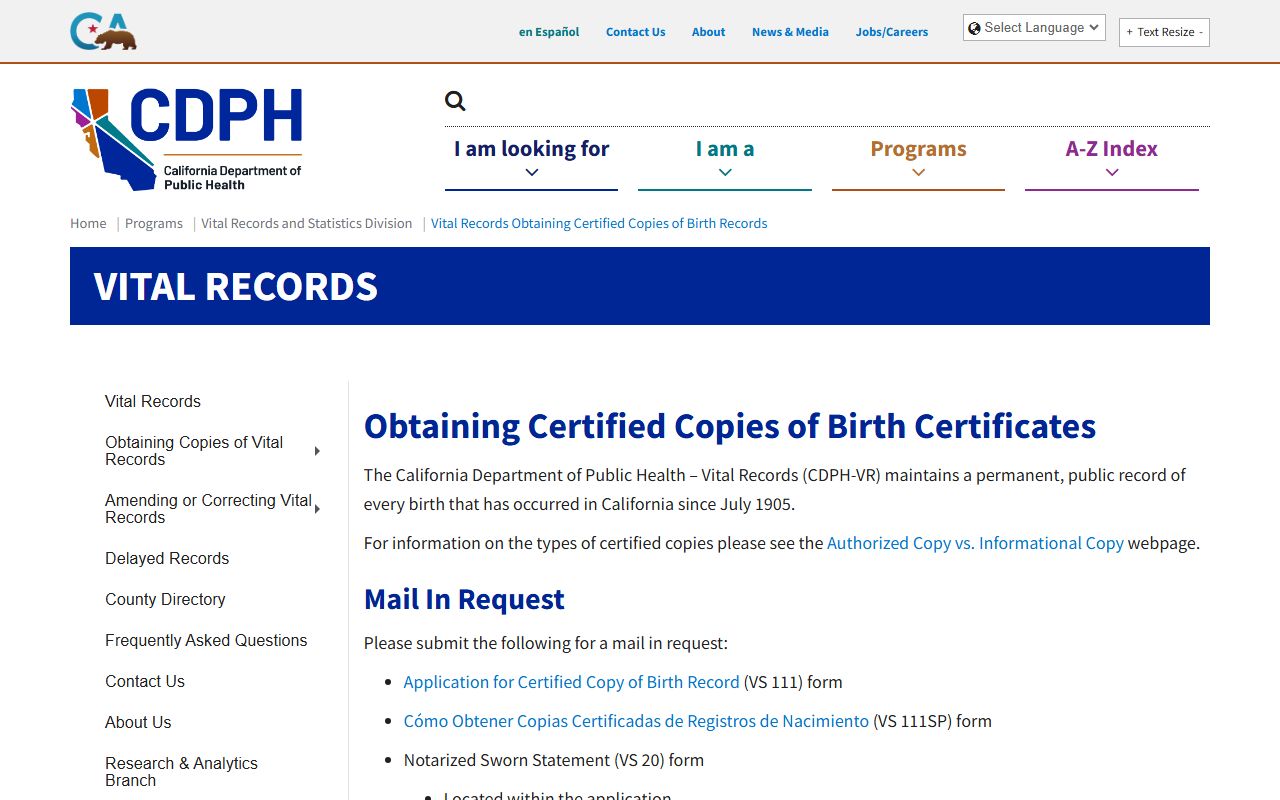
For genealogy work, request informational copies instead of certified copies. Informational copies cost the same but do not require notarized sworn statements. They contain all needed family history data even though marked not valid for identification purposes.
Fullerton Public Library Local History
The Fullerton Public Library maintains a local history collection with materials specific to the city. City directories from past decades list residents by name, address, and occupation. These help confirm where families lived and what work they did. Telephone books provide additional listings. Both resources trace family movement over time.
Newspaper archives include local papers with obituaries, wedding announcements, and community news. High school yearbooks document students from Fullerton Union High School and other local schools. Old photographs show city streets, businesses, and events. Some identify individuals. Maps trace how Fullerton expanded from a small settlement to a major Orange County city.
Cemetery records help locate burial plots at local graveyards. Church registers sometimes appear in library collections when congregations donate materials. Business directories list companies and their owners. All these sources add depth beyond basic vital statistics for genealogy research.
Fullerton's Citrus and Oil History
Fullerton developed as a citrus center after its 1887 founding. Orange groves covered much of the area. Many families worked in citrus farming, packing houses, or related businesses. The discovery of oil in the 1890s added another economic layer. Property records document land ownership during both eras.
Orange County maintains deed indexes from the 1880s forward. Early land transfers show who owned citrus groves and oil fields. Water rights records are important since irrigation made citrus farming possible. The county assessor keeps historical property files. These help trace family land ownership and business activities.
Employment records from citrus associations and oil companies sometimes survive in archives. The Orange County Archives at ocrecorder.com/oc-archives preserves historical documents including business records, photographs, and maps. Their collection helps research families who lived in Fullerton during the citrus and oil boom years.
Note: Fullerton College, founded in 1913, is the oldest continuously operating community college in California.
Fullerton Historical Societies and Museums
The Fullerton Museum Center preserves local history materials. Their collection includes photographs, artifacts, and documents related to city development. Exhibits cover different eras of Fullerton history from founding through modern times. Contact the museum about accessing their archives for genealogy research.
The Fullerton Arboretum includes historical buildings and gardens documenting local heritage. Their twenty six acre site preserves structures from different periods. The Heritage House contains furnishings and household items from early Fullerton families. These provide context for how ancestors lived.
The Orange County Genealogical Society serves researchers throughout the county including Fullerton families. They maintain a research library with books, microfilm, and databases. Membership provides access to classes, publications, and research assistance. Many genealogists join to tap specialized resources and expertise not available elsewhere.
Online Genealogy Resources for Fullerton
FamilySearch offers free California vital record indexes. The California Birth Index covers 1905 to 1995. The California Death Index spans 1905 to 1939. Search these to confirm Fullerton records exist before ordering copies. The indexes show names and dates but not full certificate details.
Ancestry.com has digitized census records, city directories, and newspapers for Orange County. Federal census records from 1850 to 1950 are publicly searchable. They list household members, ages, birthplaces, and occupations. Orange County appeared in census records starting in 1890 after it separated from Los Angeles County. Many libraries provide free Ancestry access on-site.
The California Digital Newspaper Collection includes Orange County papers. Search for Fullerton to find articles, obituaries, and announcements about local families. The collection expands as more newspapers are digitized.
Fullerton Genealogy Research Strategies
Begin with living family members. Interview them to gather names, dates, and stories about ancestors who lived in Fullerton. Write everything down including approximate information. Small details often solve difficult research problems. Focus on one generation at a time working backward from the present.
Use census records to track families every ten years. The 1940 census is now public showing Fullerton during World War II. Earlier census years document city growth from a small town to a major community. Note neighbors since people often knew each other through work, church, or organizations. Fullerton's citrus and oil industries connected many families.
Order multiple types of vital records for each ancestor. Birth certificates list parents and birthplaces. Death records show informants and burial locations. Marriage licenses name both families. Probate files identify heirs and property. Each document reveals different information. Cross reference them to verify facts and catch recording errors made by clerks.
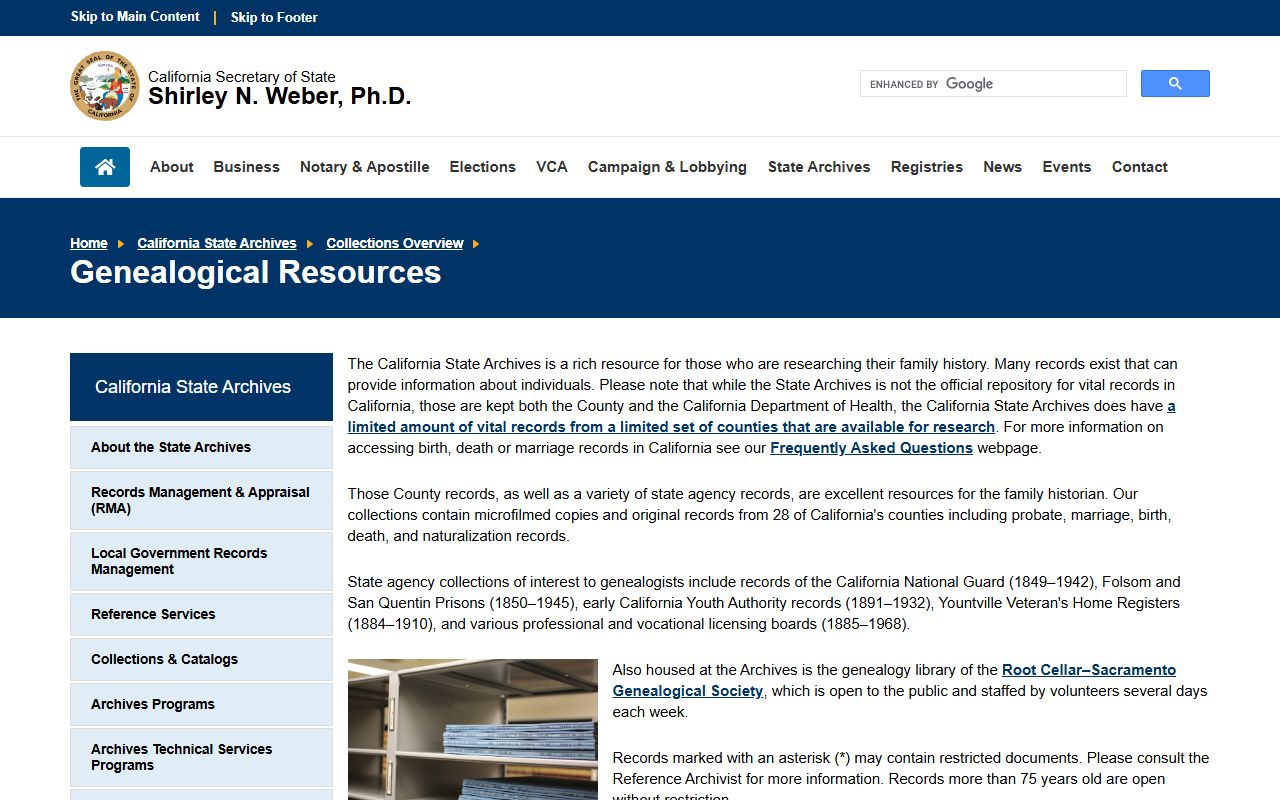
Fullerton attracted diverse populations including Hispanic, Asian, and European immigrants. If your family came from Mexico, Japan, Korea, or other countries, check naturalization records. Orange County keeps citizenship files dating to the 1880s. These list arrival dates, family members, and countries of origin. They help connect California records back to ancestral homelands.
Nearby Cities for Genealogy Research
Anaheim in Orange County sits adjacent to Fullerton with its own historical collections. Santa Ana has county offices and historical societies. Garden Grove is another neighboring city with local resources.
Los Angeles offers extensive genealogy collections for the broader Southern California region. Families often moved between Orange and Los Angeles counties. Check both counties if you lose track of ancestors. Long Beach also has strong genealogy resources.