
Victorville Genealogy Records Search
Victorville genealogy records document families through vital documents maintained by San Bernardino County offices at the Assessor-Recorder-County Clerk in San Bernardino and Rancho Cucamonga. Birth certificates, death records, and marriage licenses for Victorville residents get filed with San Bernardino County since the city sits in the High Desert region of the vast county. Named after Jacob Nash Victor of the California Southern Railroad, Victorville grew from a railroad stop and Route 66 town into the largest city in the Victor Valley. Local historical societies, libraries, and regional archives preserve documents about pioneer families, railroad workers, mining communities, and the diverse residents who settled this high desert region where the Mojave River creates a green corridor through arid lands.
Victorville Genealogy Quick Facts
San Bernardino County Vital Records
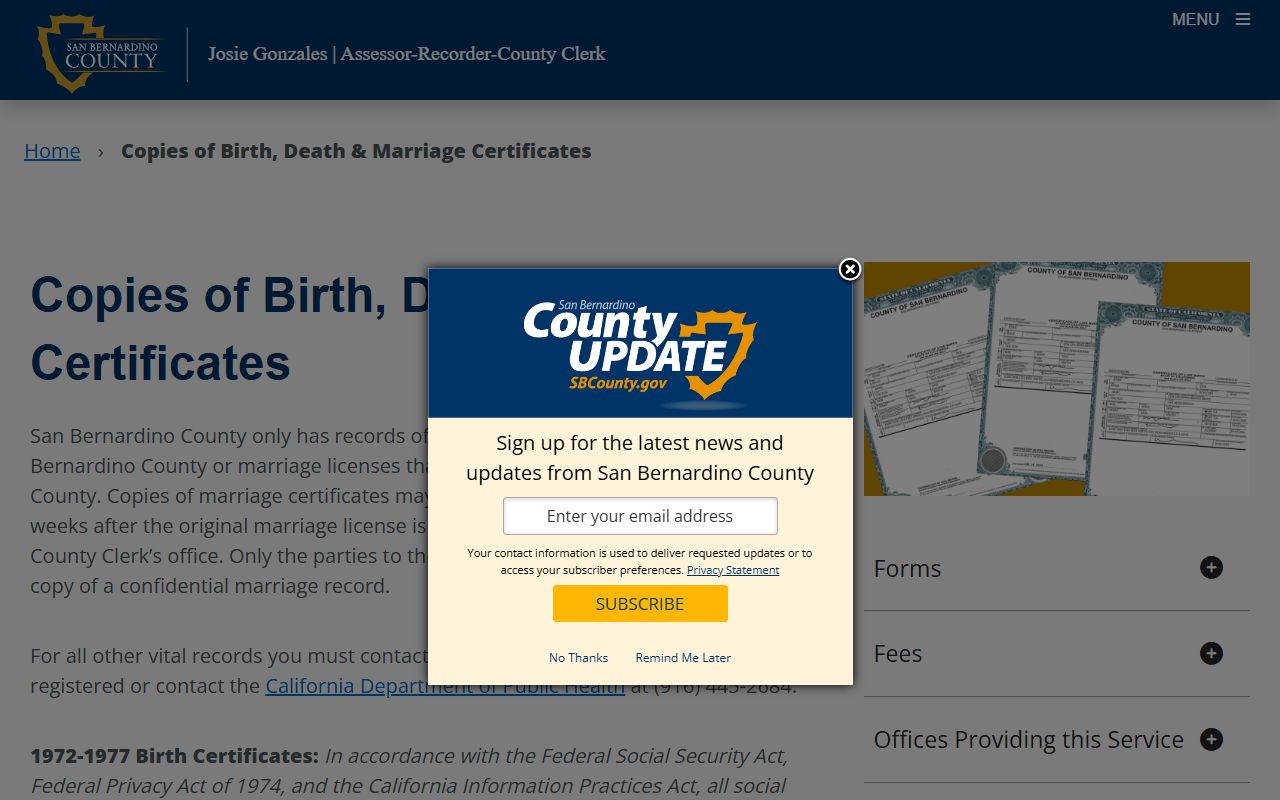
San Bernardino County maintains vital records for Victorville at the Assessor-Recorder-County Clerk offices. The main office in downtown San Bernardino handles birth and death certificates plus marriage licenses. A branch office in Rancho Cucamonga also serves residents. Both locations process requests for all county residents including those in the High Desert cities.
Birth certificates cost thirty one dollars per copy. Death records are twenty six dollars. Marriage certificates run nineteen dollars. These fees match California state requirements. The San Bernardino County vital records office provides forms and information on their website. Processing takes about two weeks for mail requests.
San Bernardino County records begin in 1853 when the county was formed. Victorville's early history as a railroad stop means records may list the area under different names. The community was called Victor before incorporation in 1962. Earlier census records and land documents use various place names for the region along the Mojave River.
For genealogy research, request informational copies instead of certified copies. Informational copies contain the same details but do not require notarized statements. They cost the same amount. Only authorized persons under California law can obtain unrestricted certified copies for legal identity purposes.
Victor Valley Museum and Archives
The Victor Valley Museum preserves local history through exhibits and archives. Collections include documents, photographs, and artifacts about families who settled the High Desert. The museum maintains research files organized by topic and family name. Staff can assist with genealogy inquiries about the Victorville area and surrounding communities.
Early Victorville was a railroad town on the California Southern Railroad line. Later Route 66 brought travelers through the area. Many families operated businesses serving railroad workers and motorists. Museum archives include business records, property documents, and personal papers donated by local families.
Cemetery records from Victor Valley Memorial Park and other local burial grounds help trace family connections. The museum maintains indexes and transcriptions. Burial registers list dates, ages, and family information. Many pioneer families have multiple generations buried in area cemeteries.
Note: The High Desert's harsh climate and remote location meant early settlement remained sparse until modern times.
Railroad and Route 66 Records
Victorville developed as a railroad stop on the California Southern Railroad in the 1880s. Railroad employment records help trace families who worked on the line. Many residents made their living from the railroad or businesses that served train crews and passengers. Later, Route 66 brought motorists through town creating new opportunities.
Property records document land ownership along the railroad corridor and highway. The San Bernardino County Recorder maintains deed indexes from 1853 forward. Early land transactions show how the community developed around transportation routes. Many properties changed hands as the region grew from isolated stop to substantial city.
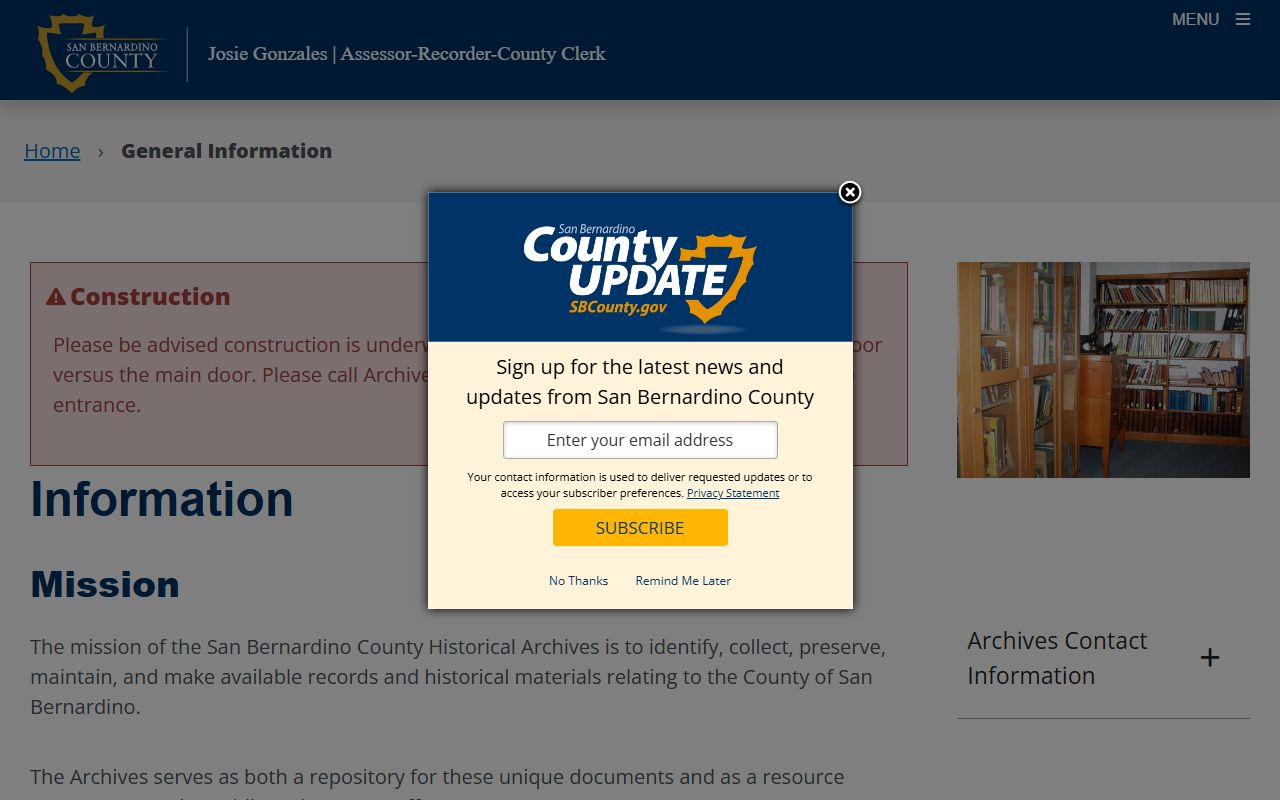
The San Bernardino County Archives holds historical records including court documents, land files, and government papers. Their facility in San Bernardino preserves materials that supplement vital records for genealogy research. Court records, naturalization files, and probate documents reveal family relationships and legal matters.
Victorville Library Genealogy Resources
The Victorville City Library provides genealogy resources through its collection and online databases. Staff can guide researchers toward county offices and digital resources. Library computers offer free access to subscription genealogy websites. Many databases are also available remotely with a valid library card.
City directories, phone books, and local history materials fill the reference section. These sources help track families through addresses and occupations over decades. Newspaper archives include the Daily Press and earlier publications. Obituaries, announcements, and local news provide family history details.
Census records show Victorville area families from the late 1800s forward. The 1940 census is the most recent publicly available documenting the community during World War II. Earlier census years show sparse population in the High Desert. Many residents worked in mining, ranching, or railroad jobs. The area remained largely rural until rapid growth began in the late twentieth century.
Mining and Ranching Records
The Victor Valley region supported mining and ranching before modern development. Gold, silver, and other minerals attracted prospectors to the area. Ranchers grazed cattle and sheep on desert ranges. Property records, mining claims, and agricultural documents help trace families who worked these industries.
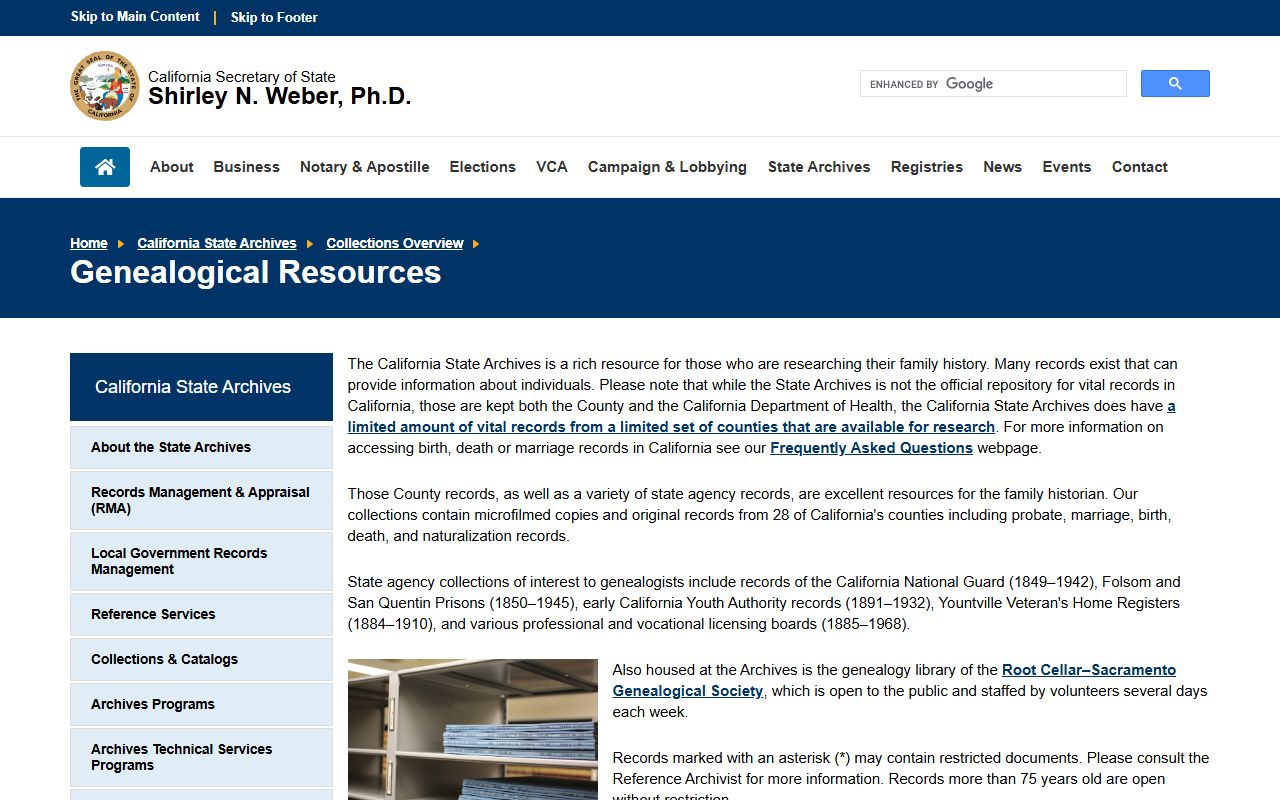
The California State Archives holds San Bernardino County materials including land case files and court records. Mining claim records document who worked mineral deposits. Homestead applications show who settled on public land. These records reveal family connections and economic activities in the early days.
Water rights records are particularly important in desert regions. The Mojave River provided water for agriculture and settlements. Water company files, irrigation district records, and court cases over water rights document who controlled this vital resource. Many families farmed along the river using its water for crops.
Online Genealogy Resources
FamilySearch provides free California vital record indexes. The California Birth Index 1905-1995 includes San Bernardino County births. Search by name and approximate date to verify records exist before ordering copies. The index shows basic information but not complete certificate details.
Ancestry.com hosts census records, city directories, and California databases. Federal census records from 1850 to 1950 are searchable showing household members and details. Mining and railroad records appear in some databases. Many libraries provide free Ancestry access. Check with local libraries about database availability.
The California Digital Newspaper Collection at cdnc.ucr.edu includes regional newspapers. Search for family names to find obituaries, articles, and announcements. The collection continues to expand. It provides convenient access to historical newspapers from throughout California including High Desert publications.
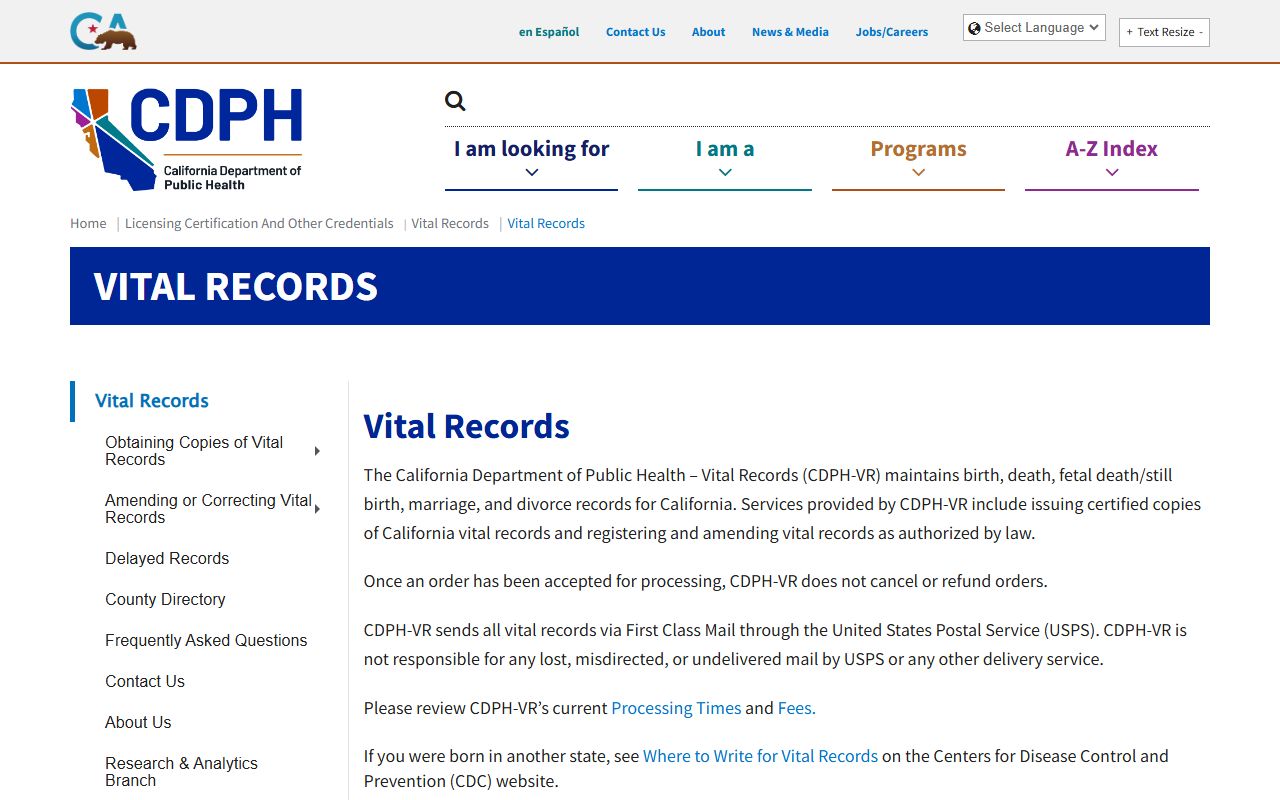
The California Department of Public Health handles statewide vital records requests for events from 1905 forward. You can order from the state or from San Bernardino County depending on your preference and which office has faster processing for your needs.
Victorville Genealogy Research Strategies
Begin with living relatives to collect family information. Write down all names, dates, places, and stories. Older family members remember details about previous generations. Even approximate information helps. Small clues often solve research puzzles. Focus on one generation at a time working backward from present to past.
Order multiple types of vital records for each ancestor. Birth certificates list parents and birthplaces. Death records show burial locations. Marriage licenses name both families. Each document provides different details. Cross reference multiple sources to verify facts and identify recording errors that appear in single documents.
Use census records to track families every ten years. Census listings place people in specific locations at specific times. They show ages, birthplaces, occupations, and household members. The Victorville area had sparse population before World War II. Many early residents worked in mining, ranching, or railroad jobs.
Check property records if ancestors owned land. Desert land was cheap but water rights were valuable. Deeds, homestead applications, and water rights documents create paper trails. Probate files list heirs when estates settled. These records reveal family relationships and economic circumstances.
Nearby Research Locations
Hesperia and Apple Valley are nearby Victor Valley cities with shared regional history. San Bernardino is the county seat holding the main vital records offices and county archives. All offer genealogy research resources.
Barstow sits northeast on historic Route 66 with similar High Desert heritage. Many families had connections across multiple desert communities. Regional research helps trace families who moved within the area following work opportunities.