
Temecula Family History Records
Genealogy records for Temecula families start with Riverside County vital records maintained at the county clerk offices. Birth certificates, death records, and marriage licenses for events in Temecula get filed with Riverside County since the city sits in southwestern Riverside County near the San Diego County border. As one of California's fastest growing cities in recent decades, Temecula has roots dating back to the Rancho era and Native American settlements. Local historical societies and library collections preserve documents on pioneer families, early settlers, and the agricultural heritage that shaped the region before modern development began in the 1980s.
Temecula Genealogy Quick Facts
Riverside County Vital Records
Riverside County handles all vital records for Temecula at their main offices. The Assessor-County Clerk-Recorder maintains birth and death certificates at 2724 Gateway Drive in Riverside. This office serves all Riverside County cities including Temecula. You can request records in person, by mail, or through online services.
Birth certificates cost thirty one dollars. Death records are twenty six dollars. Marriage licenses run nineteen dollars per copy as of 2026. These prices match state law for county fees. The Riverside County vital records office provides forms and instructions on their website. Processing takes about two weeks for mail requests. Walk in service during business hours may be faster.
Records begin in 1893 when Riverside County was formed from portions of San Bernardino and San Diego counties. Earlier records require searching those neighboring counties. Temecula area events before 1893 would be in San Diego County records since the region was part of that county originally. Always verify which county held jurisdiction when the event occurred.
For genealogy research, order informational copies instead of certified copies. Informational copies contain all the data you need but cost the same and do not require notarized statements. Riverside County provides informational copies to anyone who requests them. They show the same details as certified copies but cannot be used for legal identity purposes.
Local Genealogy Collections
The Temecula Public Library serves as a community resource for family history research. While the library does not maintain vital records, staff can guide researchers toward county resources and online databases. The library provides free access to genealogy websites and historical databases on public computers. Many commercial genealogy sites that require subscriptions are available free through library access.
City directories, phone books, and local history books fill the library's reference section. These materials help trace families through different addresses and occupations over the years. Newspaper archives on microfilm include obituaries, marriage announcements, and local news stories. The Californian newspaper has served Temecula and surrounding areas for decades.
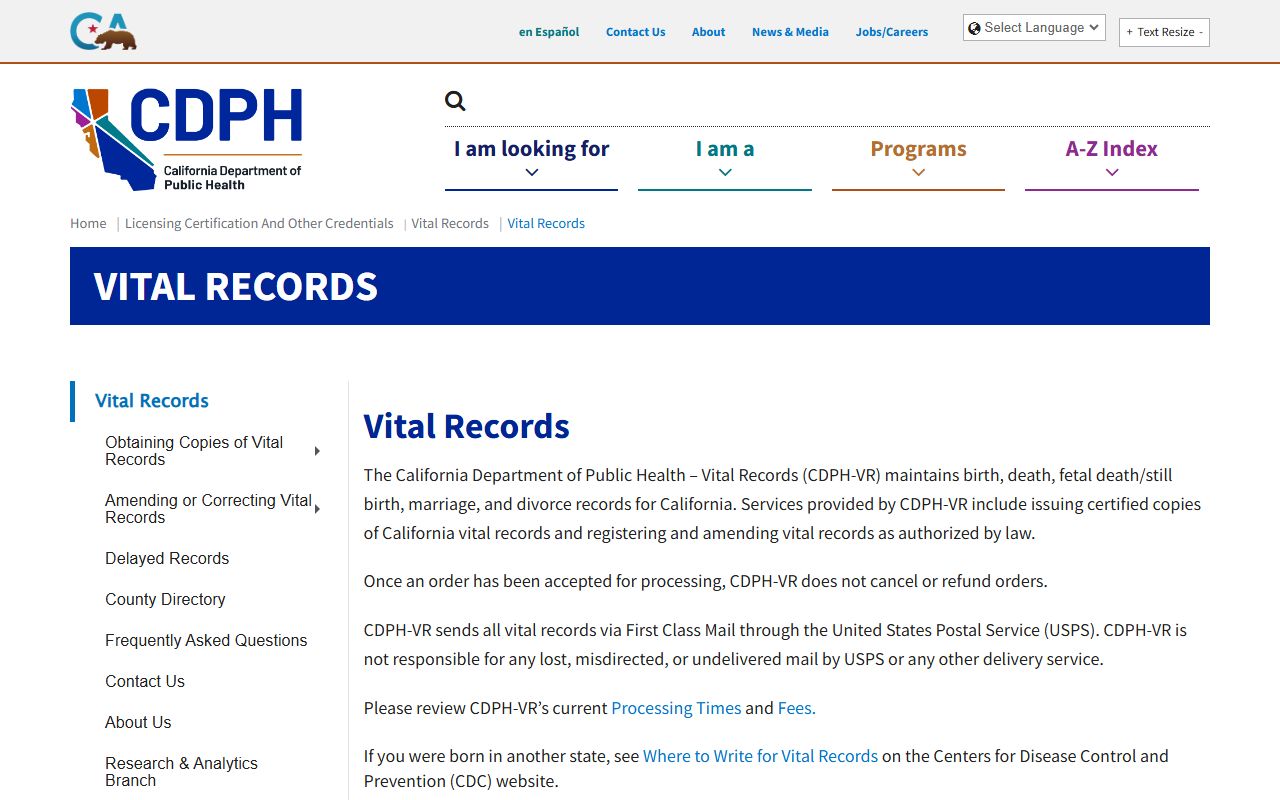
The California Department of Public Health maintains statewide records from 1905 forward. For events before 1905, you must contact the county directly. Temecula was a small community before incorporation so earlier records may be sparse. Church records, cemetery records, and land documents sometimes fill gaps when official vital records are missing.
Temecula Valley Historical Society
The Temecula Valley Historical Society preserves local history through documents, photographs, and oral histories. Their museum and research facilities contain files on pioneer families who settled the valley. Old Town Temecula served as a stage stop on the Butterfield Overland Mail route in the 1800s. Many early families ran ranches, farms, and businesses in the area.
Society archives include family histories compiled by members, cemetery records from local burial grounds, and school records. The region's rancho heritage left Spanish and Mexican land grant documents that trace early property ownership. Native American history predates European settlement with the Temecula Band of Luiseno Indians having deep roots in the valley.
Researchers can contact the historical society for information about specific surnames or time periods. Members volunteer to help with genealogy questions and provide access to collections. The society holds events and publishes materials on local history. Many families have donated their personal papers and photographs to preserve for future generations.
Old Town Records and Resources
Old Town Temecula preserves the historic downtown core from the 1800s. Several buildings date back over a century. Property records document who owned businesses and residences through different eras. The Riverside County Recorder maintains deed indexes back to county formation in 1893.
Land ownership often provides clues for genealogy research. Deeds list family members, show property transfers through inheritance, and document sales that explain why families moved. Old Town properties changed hands many times as the community evolved from ranching center to railroad stop to modern tourist destination. Each transfer creates a paper trail.
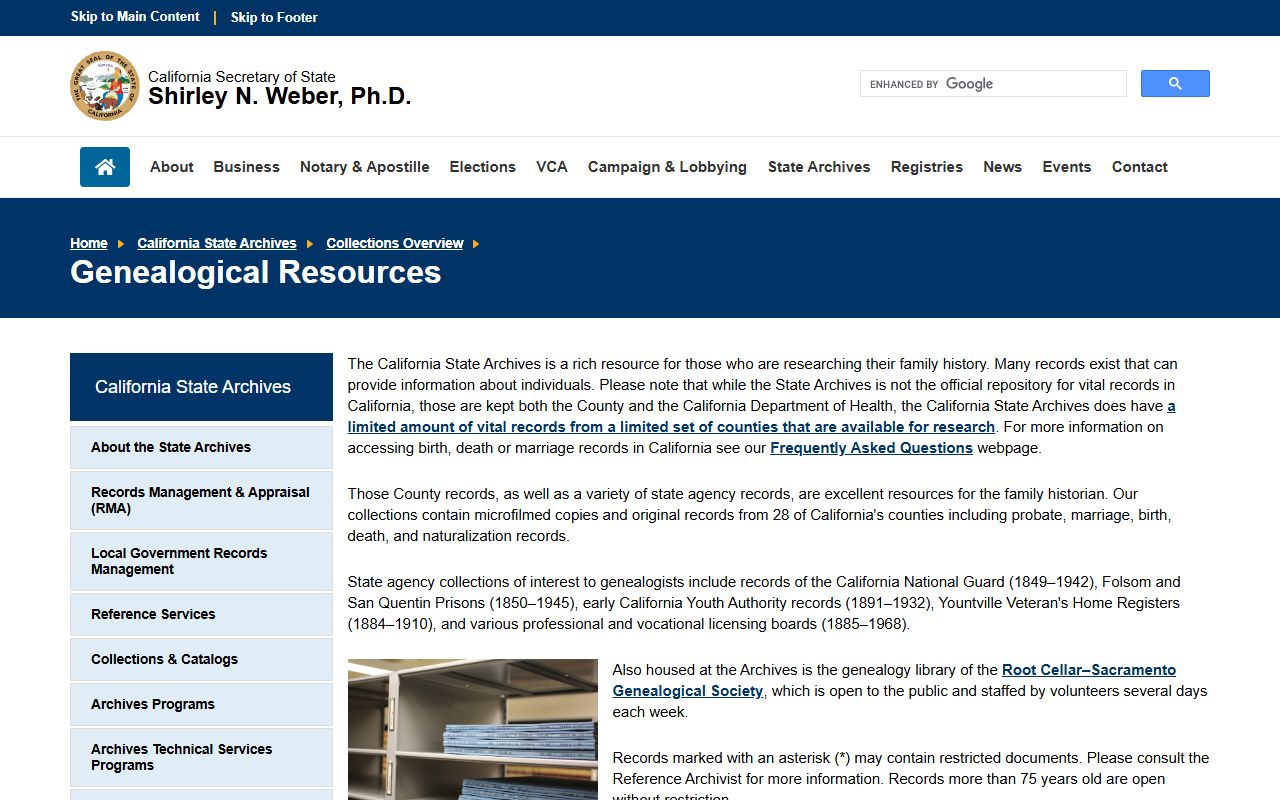
Early Temecula was part of several large ranchos granted during Spanish and Mexican periods. Rancho Temecula, Rancho Pauba, and Rancho Little Temecula covered the area. Land case files at the California State Archives document the transition from rancho grants to American ownership after California became a state in 1850.
Agricultural and Wine Industry Records
Modern Temecula is known for wine production with dozens of wineries operating in the valley. Before wine grapes, the region supported cattle ranching, wheat farming, and citrus groves. Many families worked in agriculture for generations. Employment records, farm labor documents, and agricultural census schedules help trace family history.
Census records from 1850 forward list occupations and farm production. Agricultural schedules from census years show what families grew and how much livestock they kept. The 1940 census is the most recent publicly available showing Temecula during World War II. Earlier census records document the community when it was much smaller.
Property tax records and assessor files show land values over time. Large land holdings gradually divided into smaller parcels as families subdivided ranches or sold to developers. Following property through assessor records reveals family relationships and economic changes that affected the community.
Online Genealogy Resources for Temecula
FamilySearch provides free access to California vital record indexes. The California Birth Index 1905-1995 includes Riverside County births. Search by name and approximate date to verify records exist before paying for copies. The index shows limited information but confirms whether a full certificate is available.
Ancestry.com hosts digitized census records, city directories, and California databases. Libraries often provide free Ancestry access on computers at their facilities. Check with Temecula Public Library about database availability. Census records from 1850 to 1950 are searchable showing household members and details about families.
The California Digital Newspaper Collection at cdnc.ucr.edu includes regional newspapers. Search for family names to find obituaries, wedding notices, and news articles. Digitization efforts continue to expand the collection. It supplements local newspaper holdings on microfilm at libraries and historical societies.
Note: Always cross reference multiple sources to verify genealogy information.
Tips for Temecula Genealogy Research
Begin with living relatives to collect names, dates, and family stories. Older family members remember details about previous generations. Write everything down even if dates seem approximate. Small clues often solve research puzzles later. Focus on one generation at a time working backward from present to past.
Use vital records to establish facts. Birth certificates list parents and birthplaces. Death records show burial locations and informants. Marriage licenses name both families. Each document provides different details. Order multiple record types for each ancestor to build complete pictures of their lives.
Check census records every ten years to track family movements. Temecula families sometimes moved to nearby communities or to other California regions. Census records place people in specific locations at specific times. They list ages, birthplaces, occupations, and household members. Neighbors listed nearby often had family connections.
Property records document land ownership. Many Temecula families owned farms or ranch property. Deeds, mortgages, and tax records create paper trails. Probate files list heirs when property passed through estates. These records reveal family relationships and economic circumstances.
Nearby Research Locations
Murrieta sits just north of Temecula in Riverside County with similar genealogy resources. Riverside is the county seat holding the main vital records offices. Both cities offer libraries and research facilities.
San Diego in San Diego County borders Temecula to the south. Early Temecula was part of San Diego County until 1893. Families often had connections in both areas. The San Diego Public Library maintains excellent genealogy collections for Southern California research.