
Find San Mateo Genealogy Records
Genealogy research in San Mateo starts with vital records at the county level. Birth certificates, death records, and marriage licenses for San Mateo residents are maintained by San Mateo County offices in Redwood City. The peninsula community grew from Spanish land grant ranches into modern suburbs between San Francisco and San Jose. Local libraries and historical societies preserve materials documenting this transformation and the families who lived through it. San Mateo County genealogy records date back to the 1850s when the county separated from San Francisco County.
San Mateo Genealogy Quick Facts
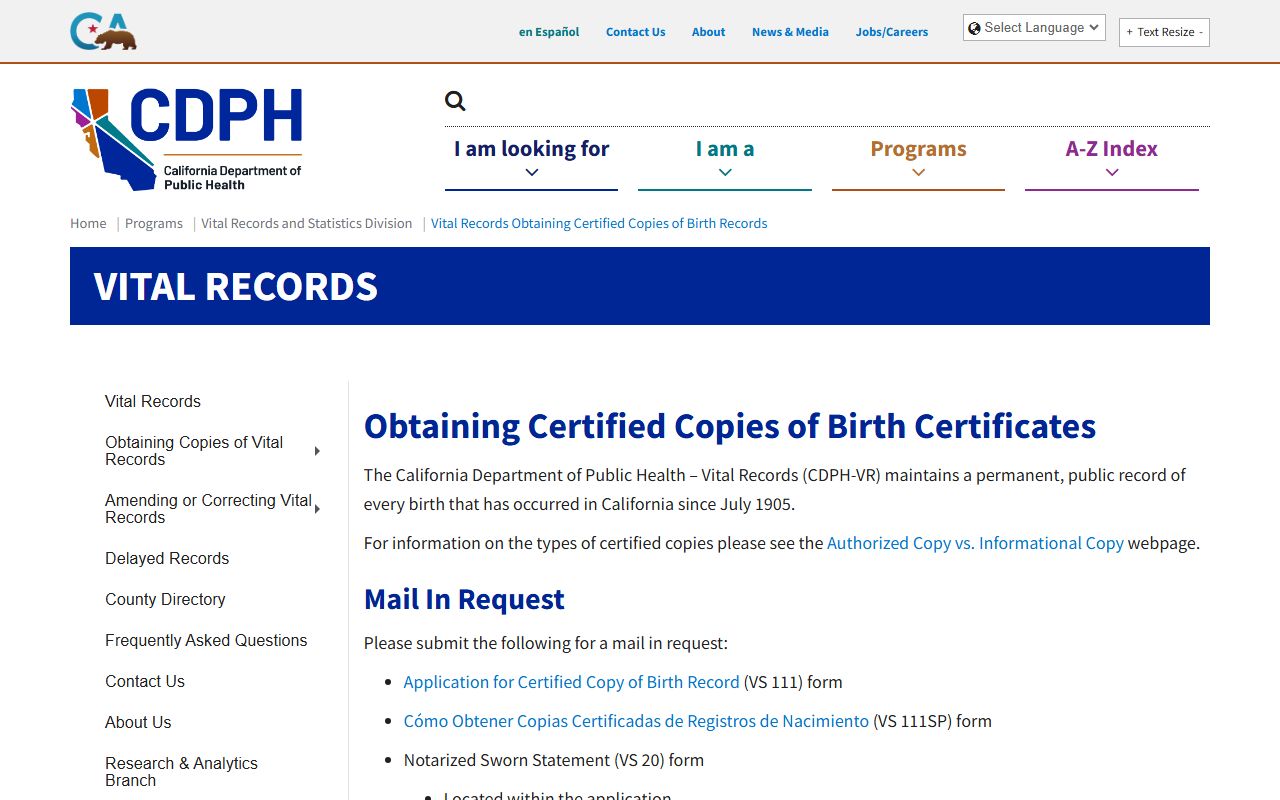
San Mateo County Vital Records Office
San Mateo County processes all vital record requests for births, deaths, and marriages in the county. The Assessor-County Clerk-Recorder office handles these requests from their Redwood City location. Current fees are thirty one dollars for birth certificates, twenty six dollars for death records, and nineteen dollars for marriage certificates.
The San Mateo County Clerk-Recorder provides multiple ways to obtain records. You can visit their office at 555 County Center in Redwood City. Mail requests are accepted with proper applications and payment. Online ordering through their website adds convenience with additional service fees. Most orders process within one to two weeks.
San Mateo County maintains records from the 1850s when the county was established. Early records sometimes have gaps where registration was voluntary. The county holds marriage records for licenses issued in San Mateo County. If a marriage ceremony took place in San Mateo but the license came from another county, you must request records where the license was issued.
Local Library Genealogy Resources
San Mateo Public Library maintains a California Room with local history materials. City directories track residents and businesses from the late 1800s forward. Newspaper collections include the San Mateo Times and other peninsula papers. Obituaries provide death dates, family members, and burial locations.
The library offers access to genealogy databases for in library use. Ancestry.com and other subscription services are available on library computers. Reference staff can guide researchers to relevant materials and suggest search strategies. The California Room welcomes visitors during regular library hours without appointments.
Peninsula communities share similar history and migration patterns. Many San Mateo families had connections to Burlingame, San Carlos, Redwood City, and other nearby towns. Library collections reflect these regional ties. Maps show how neighborhoods developed over time. Photograph collections document buildings, streets, and people from earlier eras.
San Mateo County Historical Association
The San Mateo County Historical Association preserves documents and artifacts related to county history. Their archives include family papers, business records, photographs, and manuscripts. The collection emphasizes the Spanish and Mexican period land grants that shaped early settlement patterns.
The association maintains a research library open to the public. Holdings include published county histories, family genealogies, and biographical compilations. Cemetery transcriptions cover burial grounds throughout the county. The association publishes a journal with articles on local history topics that often feature prominent families.
Researchers can contact the association to inquire about specific families or properties. Staff and volunteers assist with research questions and provide copies of materials from the collection. Some materials are available online through the association's website. Visit or call ahead to confirm research hours and access policies.
California State Archives Materials
The California State Archives holds some San Mateo County records not available locally. Probate files, naturalization records, and court documents from the nineteenth century supplement county holdings. These state level collections help fill gaps from lost or damaged local records.
Census schedules from 1852, 1860, and 1880 list San Mateo County residents with ages, occupations, and birthplaces. The state archives maintains indexes to make searching easier. Military records identify county residents who served in California militia units. Prison registers include inmates from San Mateo County sent to state facilities.
Court records at the state archives cover Supreme Court and appellate cases involving San Mateo County parties. These files often contain detailed information about families, property, and business relationships. Researchers can visit the Sacramento reading room or contact archives staff for guidance on relevant collections.
Church Records and Cemetery Information
Many San Mateo churches maintain historical records separate from county vital records. Catholic parishes in the Archdiocese of San Francisco kept baptism, marriage, and death registers from early mission days. Contact individual parishes or the archdiocesan archives for access to these records. Protestant, Jewish, and other congregations also have historical materials.
Cemeteries throughout San Mateo County hold burial records and plot information. Cypress Lawn Memorial Park in Colma includes many San Mateo families. The county maintains cemetery records with plot locations and burial dates. Cemetery offices can search their databases and provide information about specific burials. Many headstones have been photographed and indexed by volunteers.
The San Mateo County Genealogical Society has transcribed cemetery records and published finding aids. Their work makes it easier to locate ancestors buried in local cemeteries. The society also offers research assistance and educational programs for genealogists researching peninsula families.
Tips for San Mateo Research
Start with San Mateo County vital records. Order informational copies for genealogy purposes. These do not require notarized forms. Use birth records to identify parents. Death certificates show birthplaces. Marriage records list both sets of parents. Cross reference these documents to build your family tree.
Check city directories year by year to track your ancestors through different addresses. This shows when they moved and what work they did. Directories also list spouses and sometimes adult children living at the same address. Compare directory listings with census records to confirm household composition.
Search newspapers for family mentions beyond just obituaries. Wedding announcements, birth notices, anniversary celebrations, and social news all provide details. Business announcements and legal notices may mention your ancestors. The California Digital Newspaper Collection includes some peninsula papers with searchable text.
Remember that San Mateo County separated from San Francisco County in 1856. Some early records may be filed under San Francisco. Check both counties for events in the 1850s. The 1906 earthquake affected some peninsula communities though damage was less severe than in San Francisco itself.
Related Research Locations
Peninsula families often moved between communities or had relatives in nearby cities. San Francisco to the north offers extensive archives including Sutro Library and National Archives facilities. San Jose to the south has History San Jose and Santa Clara County records. All San Mateo County residents use the same county offices in Redwood City for vital records regardless of which peninsula city they lived in.