
San Mateo County Genealogy Records
San Mateo County genealogy records document family history in this Bay Area county south of San Francisco. The Assessor-County Clerk-Recorder maintains birth certificates, death records, and marriage licenses for events occurring within county boundaries. You can access records at their Redwood City office, request copies by mail, or use online ordering systems for recent documents. San Mateo County was formed in 1856 from the southern portion of San Francisco County, so vital records begin at that time. Earlier records for the area are held by San Francisco County. Birth and death records from 1856 forward exist, with more consistent registration after California mandated statewide recording in 1905. The 1906 earthquake affected some San Mateo County records but damage was far less severe than in San Francisco. The County Clerk-Recorder serves researchers Monday through Friday with staff available to help locate records and provide guidance on genealogy research strategies.
San Mateo County Quick Facts
San Mateo County Clerk-Recorder Vital Records
The San Mateo County Assessor-County Clerk-Recorder maintains all vital records for births, deaths, and marriages that occurred in the county. Birth certificates cost thirty one dollars per copy. Death records run twenty six dollars each. Marriage certificates cost nineteen dollars. These fees took effect January 1, 2026 under California state law.

The office is located at 555 County Center, First Floor, in Redwood City. Office hours run Monday through Friday from 8:00 a.m. to 5:00 p.m. In person service is available during these hours. Bring government-issued photo ID and know the details of the record you need. Staff will search indexes and provide copies while you wait if records are readily available. Call 650-363-4500 for questions about record availability or office procedures before visiting.
San Mateo County has maintained vital records since 1856 when it split from San Francisco County. Events that occurred before 1856 in what is now San Mateo County were recorded by San Francisco. If researching families who lived in the area before 1856, check San Francisco County records. After 1856, San Mateo County kept its own records. Early compliance with registration was inconsistent until California mandated statewide recording in 1905 and required registration in 1915.
Mail requests go to Assessor-County Clerk-Recorder, Vital Records Division, 555 County Center, First Floor, Redwood City, CA 94063. Include a completed application form, payment by check or money order made out to San Mateo County, a copy of your photo ID, and a self-addressed stamped envelope. Allow two to three weeks for processing. Do not send cash through the mail. Personal checks may add processing time while they clear the bank.
Online Vital Records Ordering
San Mateo County offers online ordering for vital records through their website. The electronic system processes requests during business hours. Credit card payment is accepted. Additional processing fees apply to online orders beyond the base certificate costs. Online ordering provides convenience when you know exact details about the record you need including full names, dates, and locations.
Genealogists should request informational copies instead of certified copies. Informational copies cost the same as certified copies but do not require notarized sworn statements. They contain all the same genealogical information but display a legend stating they cannot be used to establish identity. This limitation does not matter for family history research. Only authorized persons listed in California Health and Safety Code Section 103526 need certified copies for legal purposes.
Processing times for online orders typically run two to three weeks from order placement to delivery. Email confirmation arrives when the county receives your request. A second email comes when certificates are mailed via U.S. Postal Service first class mail. The county cannot expedite processing regardless of urgency or need. Plan ahead when ordering records for specific deadlines.
San Mateo County Historical Background
San Mateo County formed in 1856 when residents of the southern portion of San Francisco County voted to create their own county. The new county took its name from San Mateo Creek. Redwood City became the county seat. The county originally included what is now northern Santa Clara County, but boundaries were adjusted in 1868 to create the current configuration.
Early residents included Mexican rancho owners, American settlers, and immigrants from Ireland, Italy, Portugal, and other countries. Agriculture and logging supported the economy. The San Francisco Peninsula location meant close ties to San Francisco. Many residents commuted to the city for work. Railroads and later highways connected the county to San Francisco and San Jose. This suburban character affects genealogy research because families often had vital events recorded in multiple counties depending on where they were when events occurred.
The 1906 San Francisco earthquake affected San Mateo County but damage was less severe than in San Francisco. Some buildings collapsed and fires occurred but the county courthouse survived. Most San Mateo County records escaped destruction. This makes San Mateo County records more complete than San Francisco records for the pre-1906 period. However, some families who lived near the San Francisco border may have had records lost in San Francisco rather than San Mateo.
The twentieth century brought suburban development as San Francisco expanded southward. Cities like Daly City, South San Francisco, San Mateo, and Burlingame grew rapidly. The county became one of the most densely populated and affluent in California. These population changes created extensive records. Modern San Mateo County has excellent record keeping systems, making it relatively easy to locate genealogy records for recent generations.
Types of Genealogy Records in San Mateo County
Birth certificates from San Mateo County list child's name, date and place of birth, parents' full names, parents' birthplaces, parents' ages, father's occupation, and mother's maiden name. Certificates from after 1960 include additional medical information. Earlier certificates provide basic facts only. Some births were registered years after the event, creating delayed certificates based on affidavits rather than contemporary documentation. These delayed certificates may have less accurate information.
Death records show decedent's name, date and place of death, age, birthplace, parents' names, marital status, surviving spouse if applicable, occupation, and cause of death. San Mateo County death certificates list the informant's name and relationship. Funeral home and cemetery appear when applicable. Death records help establish family relationships and point toward other resources like cemetery records and probate files. Veterans' death certificates note military service.
Marriage licenses include both spouses' names, ages, birthplaces, residence, occupation, parents' names, and previous marriages. Witnesses are listed on licenses. The County Clerk issues licenses valid for ninety days anywhere in California. The ceremony location does not affect where the license is recorded. Licenses are filed in the county where issued. Public marriages from 1856 forward are available. Confidential marriages from 1971 onward remain sealed to all except the spouses or by court order.
Property records maintained by the County Recorder document land ownership, sales, mortgages, and transfers. These records name family members and sometimes state relationships. Homestead declarations protected family property and list household members. All recorded documents are indexed and available for genealogy research. Cross reference property records with vital records to build complete family histories showing residence patterns and economic status.
State and Regional Genealogy Resources
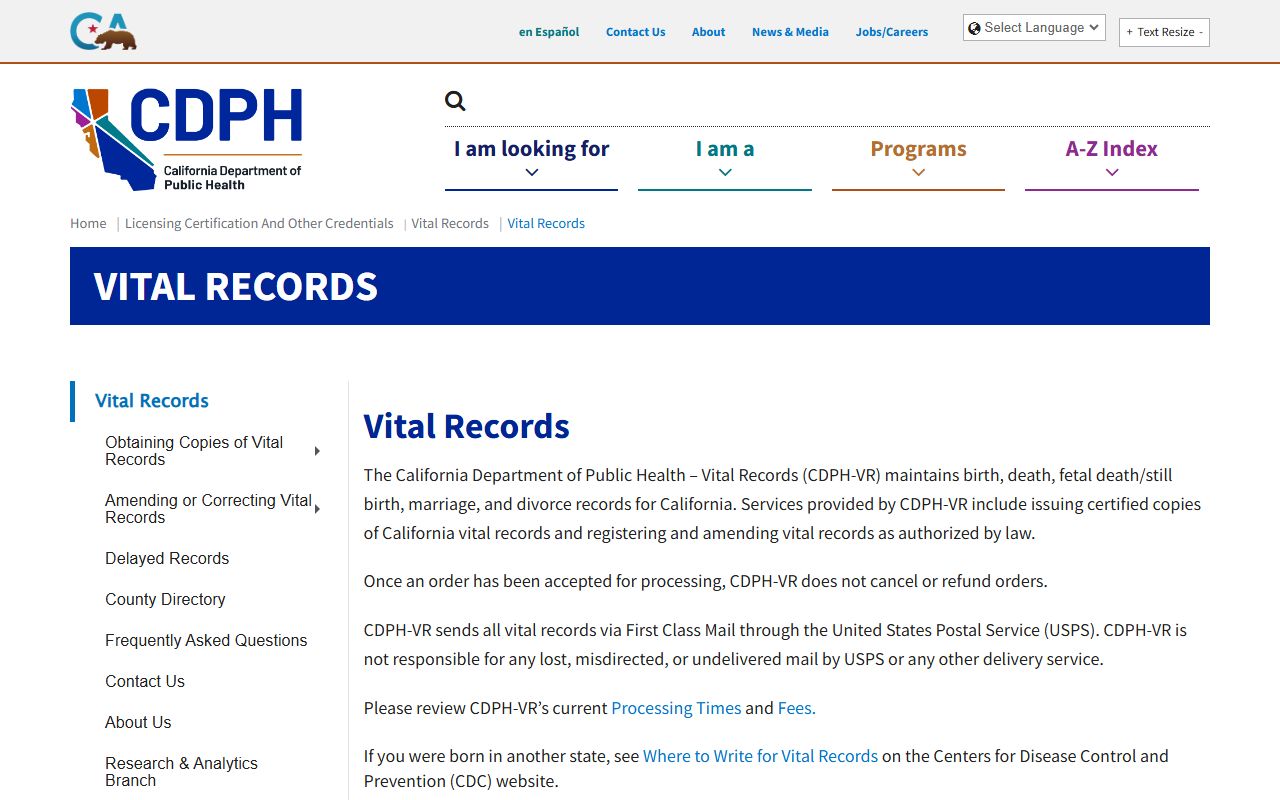
The California Department of Public Health maintains statewide vital records from July 1905 forward. San Mateo County birth and death records from after that date are indexed at both state and county levels. You can order from either source. The county often processes requests faster and may have additional records not held by the state.
The California State Archives in Sacramento holds some San Mateo County records in their collections. These include court records, probate files, and naturalization papers. The State Archives can advise what San Mateo materials they hold and how to access them. Some materials are available on microfilm through interlibrary loan or digital access.
FamilySearch provides free online access to California vital record indexes. The California Birth Index 1905-1995 includes San Mateo County records. These databases provide enough information to verify a record exists before paying fees. Use the indexes to confirm names, dates, and locations before ordering certified copies.
San Mateo County Libraries have local history collections with genealogy resources. The Redwood City Public Library and other branches hold city directories, county histories, cemetery indexes, and newspaper microfilm. Many libraries provide free access to Ancestry.com and other subscription databases for cardholders using library computers. Staff can suggest research strategies and point researchers toward relevant materials.
San Mateo County Research Tips
Start with online indexes before ordering copies. FamilySearch has digitized many California vital record indexes. Search these free databases to verify records exist before paying fees. The indexes provide enough information to complete order forms accurately. This preparation saves time and reduces the chance of ordering wrong records.
Check both San Mateo and San Francisco counties for families who lived near the border. The county line runs through what is now a heavily urbanized area. Families often crossed county lines for work, medical care, or other services. A birth might be recorded in San Francisco even if the family lived in San Mateo. Check both counties when searching for ancestors in Daly City, Colma, or other border communities.
Consider the timing of county formation when researching pre-1856 families. San Mateo County did not exist before 1856. Events that occurred earlier in what is now San Mateo County were recorded by San Francisco County. If you cannot find a San Mateo County record for an event before 1856, check San Francisco County records. The San Francisco County records may have been destroyed in the 1906 earthquake, but it is worth checking.
Use cemetery records to supplement death certificates. San Mateo County has numerous historic cemeteries. Many San Francisco cemeteries were relocated to Colma in the 1930s and 1940s. Colma is now in San Mateo County and holds the remains and records from many San Francisco burials. Contact cemeteries in Colma for burial records that may include information not found in death certificates.
Look beyond vital records to newspapers and city directories. San Mateo County has good newspaper preservation. The San Mateo Times, Redwood City Tribune, and other local papers published obituaries, marriage announcements, and social news. City directories list residents by name and address with occupations. These sources supplement vital records and help track families year by year.
Check alternate spellings for surnames. Early recorders wrote names as they heard them. Irish names like O'Brien might appear as Obrien or even Brien. Italian surnames often have spelling variations. Portuguese names were sometimes anglicized. Try all reasonable variations when searching indexes. Given names also varied. Michael might be Mike or even Mick in some records.
Note: Request informational copies for genealogy work to avoid notarization requirements while still receiving complete information for family history research purposes.
Adjacent Counties and Communities
San Mateo County borders San Francisco County to the north, Santa Clara County to the south, Alameda County to the east across the bay, and the Pacific Ocean to the west. Families often moved between these counties. If you cannot find a San Mateo County record, check neighboring counties where your ancestors might have been during specific events. Peninsula communities had fluid populations with people moving frequently for work and housing.
Major cities in San Mateo County include Daly City, San Mateo, Redwood City, South San Francisco, and San Bruno. All vital records for events in these cities are maintained by the San Mateo County Clerk-Recorder regardless of which city the event occurred in. City governments do not maintain separate vital records. However, cities have local resources including libraries, historical societies, and cemeteries with supplementary genealogy materials.