
Fontana California Genealogy Records
Fontana genealogy records help researchers trace family roots through vital documents kept by San Bernardino County. Birth certificates, death records, and marriage licenses for Fontana residents are filed at the county assessor recorder clerk offices. Founded in 1913 by Azariel Blanchard Miller, the city remained largely rural until World War II when Henry J. Kaiser built a major steel mill here. The name Fontana comes from Italian meaning fountain or water source, referencing the nearby Santa Ana River. Post-war growth transformed Fontana from a small settlement into one of California's largest cities with over two hundred thousand residents today. Local libraries and county archives preserve records documenting this dramatic transformation for genealogy research.
Fontana Genealogy Quick Facts
San Bernardino County Vital Records
San Bernardino County maintains all vital records for Fontana at their offices in San Bernardino. The Assessor Recorder County Clerk processes requests for birth certificates, death records, and marriage licenses. You can visit their main office, mail applications, or order online through their vital records portal.
Birth certificates cost thirty one dollars. Death records are twenty six dollars. Marriage certificates run nineteen dollars. San Bernardino County has statewide vital records from July 1905 forward. Some earlier records exist from voluntary registration. Marriage records extend back to the 1850s since counties kept those from California statehood.
The San Bernardino County Vital Records office provides online ordering through their website. Processing typically takes two weeks for standard requests. In person visits may produce same day results if records are readily accessible. Bring photo ID and exact details for the record you seek. Office locations include the main facility in San Bernardino plus regional offices.
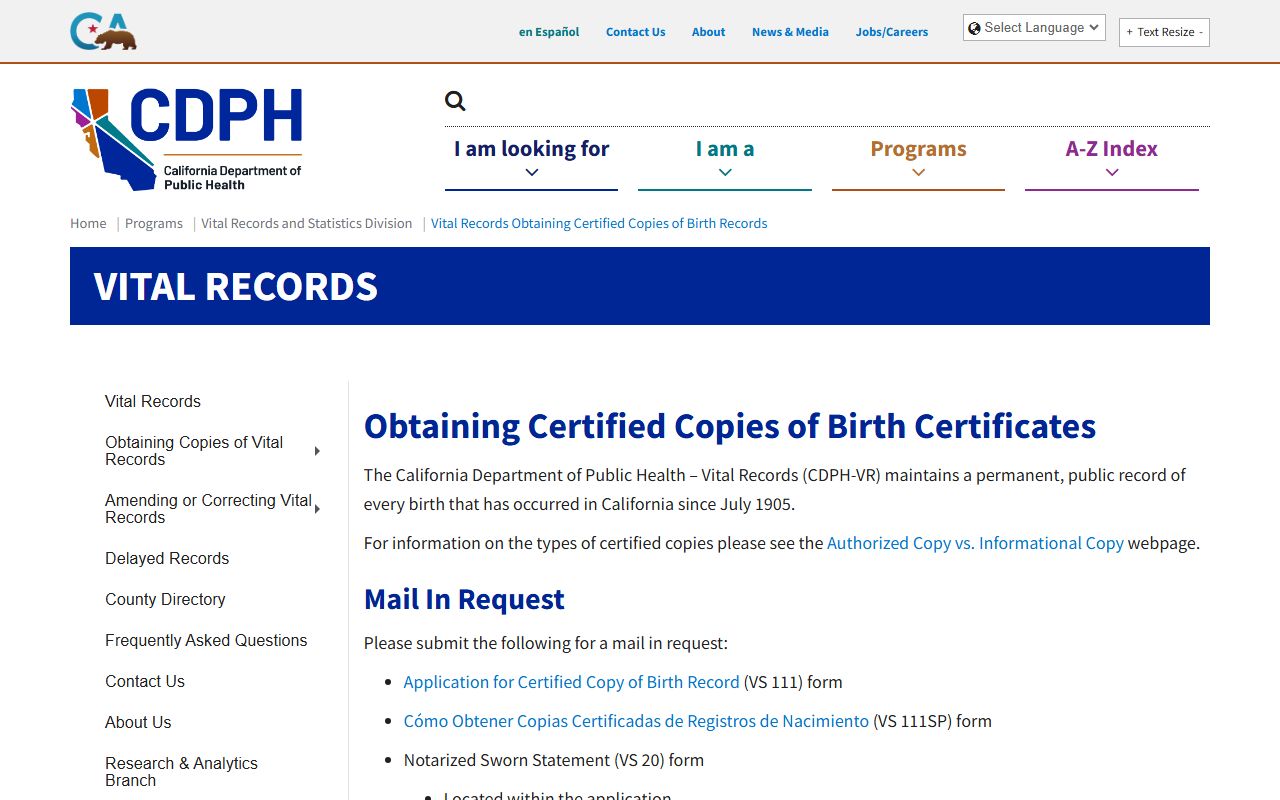
Genealogy researchers should request informational copies rather than certified copies. Informational copies cost the same but do not require notarized sworn statements. They contain all needed family history data even though marked not valid for ID.
Fontana Library Local History Resources
The Lewis Library and Technology Center in Fontana is the largest library in the San Bernardino County system. Opened in 2008, it serves as a major resource hub. The library maintains local history materials including city directories, newspapers, and photographs documenting Fontana's growth.
City directories from past decades list residents by name and address. They show occupations and help trace family movement. Telephone books provide additional listings. Newspaper archives contain obituaries with death dates, family names, and burial locations. Wedding announcements and birth notices appear for local families. Community news mentions residents at events and organizations.
High school yearbooks document students from Fontana schools. Old photographs show city development from rural settlement to urban center. Maps trace expansion over time. Cemetery records help locate burial plots. Library staff can guide you to materials for specific time periods. The large facility offers comfortable research space and modern technology for viewing historical materials.
Kaiser Steel and World War II Era Records
Henry J. Kaiser built a major steel mill in Fontana during World War II. This transformed the city from a small agricultural community to an industrial center. Workers flooded in from across the country. The mill operated from 1942 until closing in the 1980s. Many Fontana families trace their arrival to the Kaiser Steel era.
Employment records, union files, and company documents help research families who worked at the mill. The San Bernardino County Archives preserves some industrial history materials. Local historical societies maintain collections on Kaiser Steel and its impact. Newspapers from the 1940s through 1980s document the mill's role in city life.
World War II era city directories show the population explosion. The 1940 census lists pre-war residents. By 1950, the census documents dramatic growth. Comparing these snapshots helps identify when families arrived. Property records show land purchases and home construction during boom years. County assessor files trace ownership through the decades.
Note: Fontana became a hub for the trucking industry after Kaiser Steel closed.
San Bernardino County Genealogy Resources
San Bernardino County maintains archives with historical documents beyond basic vital records. Probate files list heirs when people died with property. These name family members and relationships. Naturalization records show when immigrants became citizens. They list arrival dates, family members, and countries of origin.
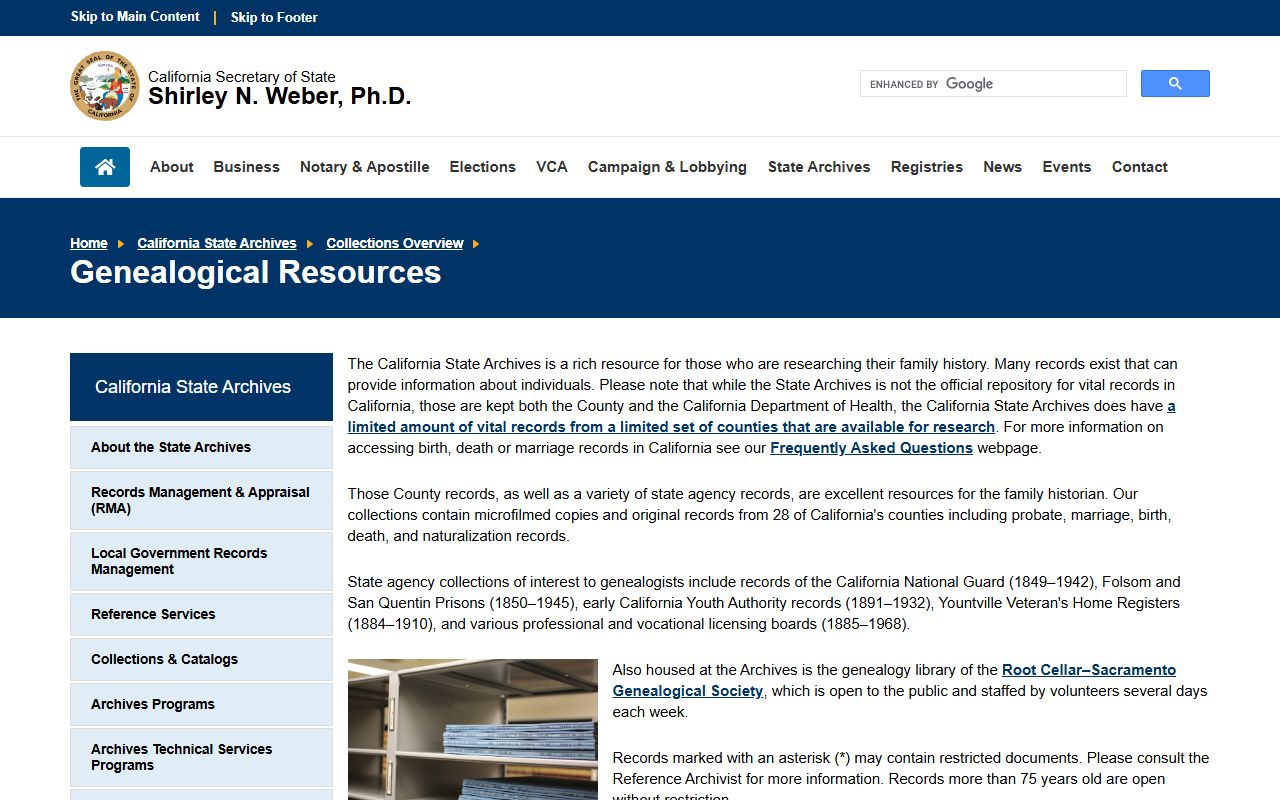
Court records, land claims, and early government documents sit in county archives. Some materials date to the 1850s when San Bernardino County formed. The California State Archives also holds San Bernardino County materials. Their Sacramento facility preserves documents that may not be available locally.
Property deed indexes help trace land ownership. Early Fontana settlers acquired rancho lands or purchased subdivided parcels. Deeds show family transfers and sales. Survey maps document property boundaries. All these records supplement vital statistics for genealogy research.
Online Genealogy Databases for Fontana
FamilySearch provides free California vital record indexes. The California Birth Index covers 1905 to 1995. The California Death Index spans 1905 to 1939. Search these to confirm Fontana records exist before ordering copies. The indexes show names and dates but not complete certificate details.
Ancestry.com has digitized census records, city directories, and newspapers for San Bernardino County. Federal census records from 1850 to 1950 are publicly searchable. They list household members, ages, birthplaces, and occupations. Many public libraries offer free Ancestry access on-site. Check with Fontana library about database availability.
The California Digital Newspaper Collection includes Inland Empire newspapers. Search for Fontana to find articles and announcements about local families. The collection expands regularly as more papers are digitized.
Fontana Genealogy Research Tips
Start with living family members. Interview them to gather names, dates, and stories about ancestors who lived in Fontana. Write everything down including approximate information. Small details often solve research problems. Focus on one generation at a time working backward from the present.
Use census records to track families every ten years. The 1940 census is now public showing pre-war Fontana. The 1950 census documents post-war growth. Later census years trace continued expansion. Note neighbors since people often knew each other through work, church, or community groups. The Kaiser Steel connection appears frequently in Fontana family histories.
Order multiple types of vital records for each ancestor. Birth certificates list parents. Death records show birthplaces and next of kin. Marriage licenses name both families. Probate files identify heirs. Each document reveals different information. Cross reference them to verify facts and catch recording errors made by clerks.
Fontana attracted diverse populations including Hispanic, African American, and Asian families. If your ancestors immigrated, check naturalization records. San Bernardino County keeps citizenship files from the 1800s forward. These help connect California records back to ancestral countries. Church records sometimes fill gaps when official documents are missing.
Nearby Cities for Genealogy Research
San Bernardino has county offices and historical societies with extensive collections. Riverside in neighboring Riverside County offers additional resources. Both cities serve the Inland Empire region.
Ontario and Rancho Cucamonga are nearby San Bernardino County cities. Families often moved between these communities. Check neighboring areas if your Fontana research stalls. Los Angeles sits to the west with major genealogy collections.