
Daly City Genealogy Records
Genealogy records in Daly City help trace family history through vital records maintained by San Mateo County. Birth certificates, death records, and marriage licenses for events that occurred in Daly City are kept at the county recorder office in Redwood City. Researchers can access historical documents dating back to the late 1800s when early settlers established this community south of San Francisco. Public libraries and historical societies in Daly City provide additional resources such as city directories, newspaper archives, and cemetery records. Most genealogy research starts with the San Mateo County Clerk-Recorder, which handles all vital records requests for Daly City residents and their ancestors.
Daly City Genealogy Quick Facts
San Mateo County Vital Records for Daly City
All birth and death records for Daly City are filed with San Mateo County. The county recorder maintains these documents at their Redwood City office. If your ancestor was born in Daly City, you need to contact San Mateo County to get a copy. The same goes for deaths that happened here. Marriage licenses issued in San Mateo County are also kept at the recorder office, regardless of where the wedding ceremony took place.
San Mateo County has vital records dating back to the 1860s for some events. Early Daly City records may be sparse since the area was not incorporated until 1911. Before incorporation, the community was part of unincorporated San Mateo County. Records from that era might list the location differently. Check for alternate place names like Colma or simply San Mateo County when searching for pre-1911 events.
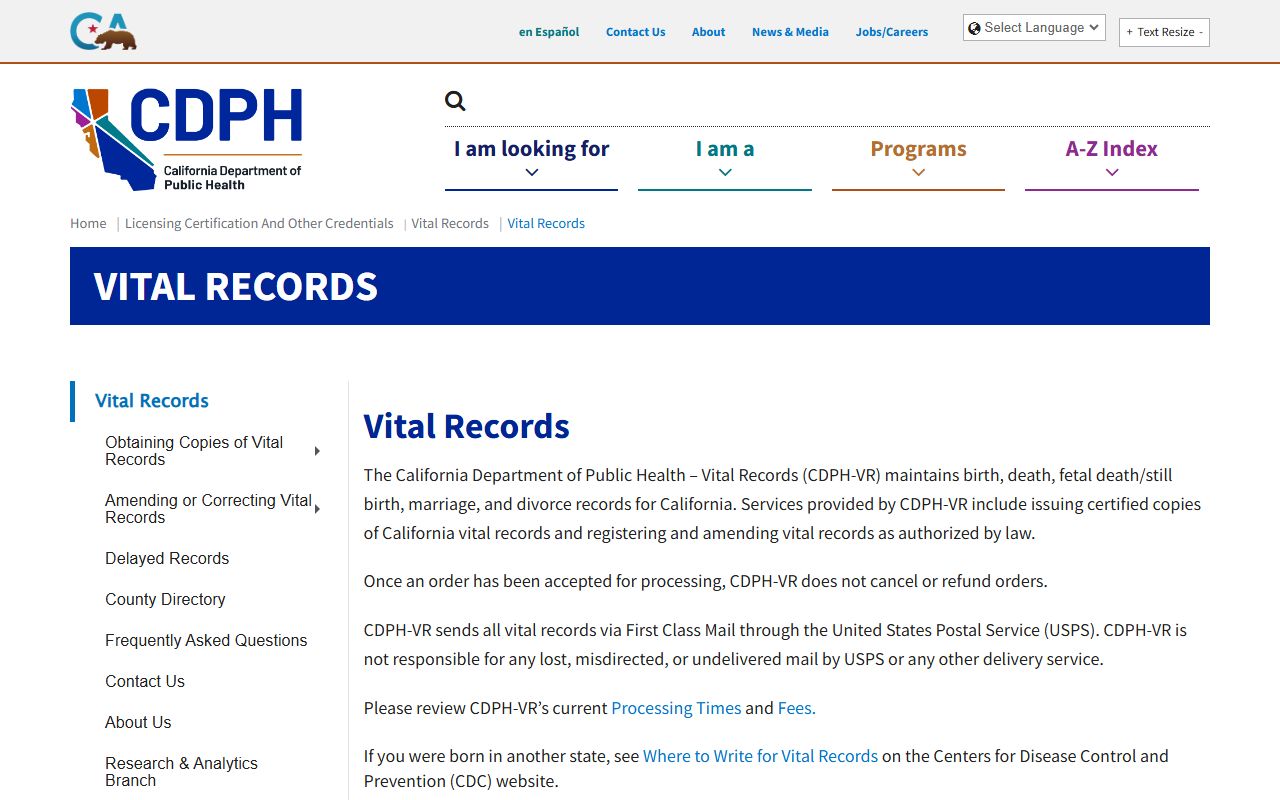
The San Mateo County Clerk-Recorder handles all requests for certified copies. Birth certificates cost thirty one dollars. Death records run twenty six dollars. Marriage certificates are nineteen dollars as of 2026. You can order online, by mail, or in person at the Hall of Justice in Redwood City.
Genealogy researchers should ask for informational copies. These cost the same as certified copies but do not need notarized forms. They work fine for family history research even though they cannot be used for ID purposes.
Daly City Library Genealogy Resources
The Daly City Public Library maintains local history collections that help with genealogy research. City directories from past decades list residents by name and address. These directories help confirm where ancestors lived and what they did for work. Newspaper archives contain obituaries, wedding announcements, and local news about Daly City families.
Old phone books and business directories provide additional clues. They show when families moved into or out of Daly City. School yearbooks sometimes appear in local collections. Cemetery records help track family plots and burial dates. All these sources add detail that vital records alone cannot provide.
The library staff can guide you to relevant materials. Call ahead to ask what resources they have for your specific research period. Some items may require appointments to view. Microfilm readers let you scan old newspapers and documents. Take notes or request copies of pages that mention your ancestors.
Daly City Historical Background
Daly City was named for John Donald Daly, a local businessman and landowner. The city incorporated in 1911. It sits immediately south of San Francisco on the San Mateo County line. Many early residents worked in San Francisco but lived in Daly City. The 1906 earthquake pushed people out of San Francisco. Some settled here.
In 1936, Daly City absorbed the town of Colma. Colma was famous for its cemeteries after San Francisco banned burials in the early 1900s. Many San Francisco families moved their deceased relatives to Colma cemeteries. If your ancestor was buried in what is now Daly City, check cemetery records at the Colma Historical Society. Those records often predate city incorporation.
The city grew rapidly after World War II. Subdivisions filled the hills with homes for returning veterans. Population jumped from under ten thousand in 1950 to over sixty thousand by 1960. This boom created new records. School enrollment files, property deeds, and voter registrations all document this era. Check county assessor records for property purchases during these years.
Note: The San Francisco Cow Palace sits within Daly City borders despite the name.
Additional San Mateo County Genealogy Sources
San Mateo County maintains probate records that help genealogy research. When someone died and left property, the probate court filed documents listing all heirs. These files name children, spouses, and sometimes siblings or parents. Probate files sit in the county archives. You can search them at the Hall of Justice in Redwood City.
Naturalization records show when immigrants became citizens. San Mateo County has naturalization files dating back to the 1800s. These records list birth countries, arrival dates, and family members. Many Daly City residents came from Ireland, Italy, and the Philippines. Naturalization papers help connect California records back to countries of origin.
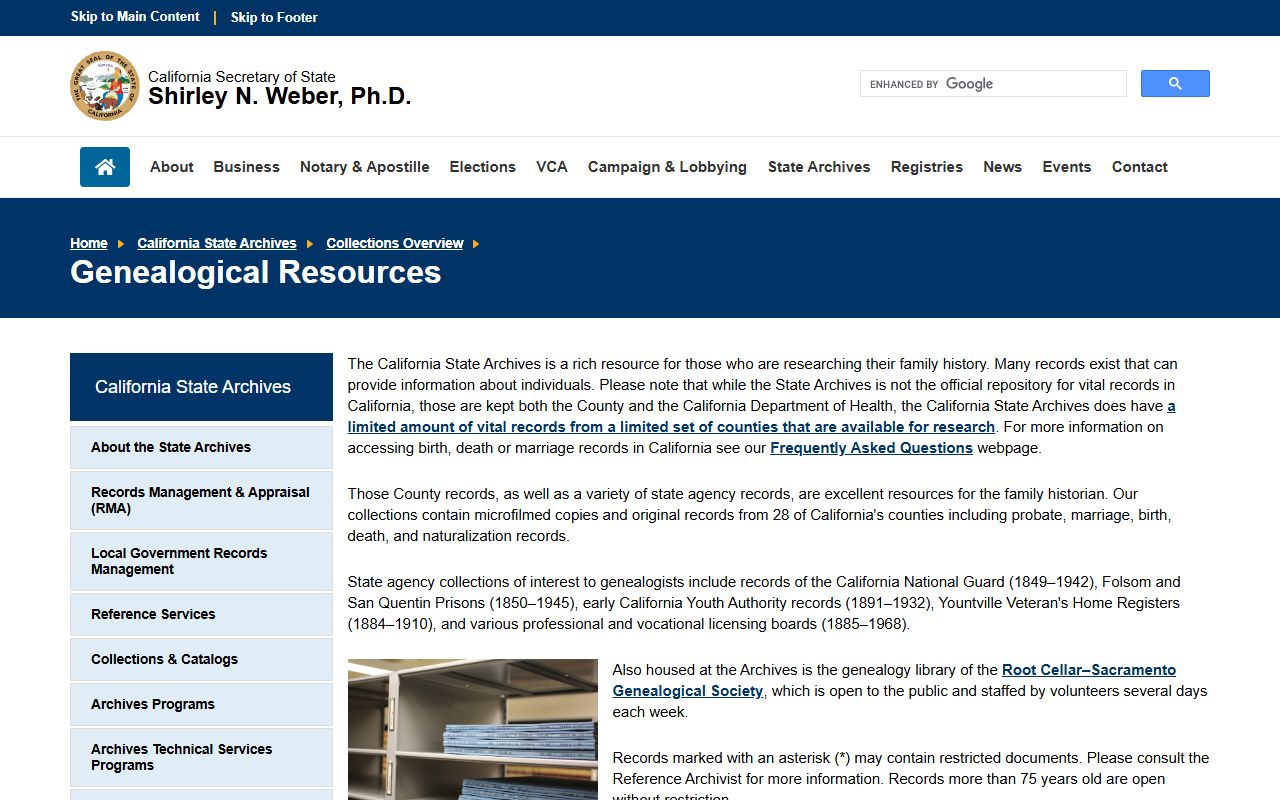
The California State Archives holds some San Mateo County records. Their collection includes early county documents that fill gaps in local holdings. Military records, prison registers, and court files add context to family stories. Visit their Sacramento reading room or contact archivists for guidance.
Online Genealogy Databases for Daly City
FamilySearch offers free indexes to California vital records. The California Birth Index covers 1905 to 1995. The California Death Index runs from 1905 to 1939. Search these databases to confirm that a Daly City record exists before ordering copies. The indexes show names, dates, and filing locations but not full details.
Ancestry.com has digitized city directories, census records, and voter registrations for San Mateo County. A paid subscription lets you search these collections. Many public libraries provide free Ancestry access from their computers. Check with Daly City Public Library or the main San Mateo County library about on-site database access.
The Online Archive of California connects researchers to finding aids from libraries and museums. Search for San Mateo County collections to see what materials exist. Some archives have photographs, maps, and manuscript collections related to Daly City families. Contact the holding institution to view these special collections.
Tips for Researching Daly City Ancestors
Start with what you know. Write down your ancestor's full name, approximate birth year, and any Daly City addresses. Check census records first. Federal census records from 1850 to 1950 are public. They list household members by name, age, birthplace, and occupation. Census records confirm families lived in Daly City during specific decades.
Cross check multiple sources. Birth records might list parents. Death certificates show birthplaces and burial locations. Marriage licenses name both sets of parents. Comparing these documents helps catch errors and fill gaps. One record might have a wrong date that another corrects.
The 1906 San Francisco earthquake destroyed some Bay Area records. If you cannot find a pre-1906 vital record, it might be lost. Church registers, cemetery records, and newspaper archives sometimes substitute for missing official documents. Check with local historical societies for alternate sources.
Remember that Daly City absorbed Colma in 1936. Events before that merger might be filed under Colma or simply San Mateo County. Search variant location names if initial attempts come up empty. County boundaries and place names changed over time.
Nearby California Cities for Genealogy Research
Researchers working on Daly City families often need records from nearby communities. San Francisco sits directly north of Daly City. Many Daly City residents worked in San Francisco. Their employment records, voter registrations, and obituaries might appear in San Francisco sources even if they lived in Daly City.
San Jose and Oakland are larger Bay Area cities with extensive genealogy collections. Their public libraries have resources that cover the broader region. Fremont in Alameda County also has materials relevant to Bay Area research.