
Shasta County Genealogy Records
Genealogy records in Shasta County help trace family roots in Northern California. The County Recorder office in Redding maintains vital records for births, deaths, and marriages occurring in this region since 1850. Shasta County has about 180,000 residents spread across mountains, valleys, and rural areas. Records from the Gold Rush era through today document families who settled this frontier region. Researchers can access genealogy records through in-person visits, mail requests, or online searches. Early records are incomplete due to voluntary registration before mandatory vital statistics laws took effect in 1915.
Shasta County Quick Facts
Shasta County Recorder Office
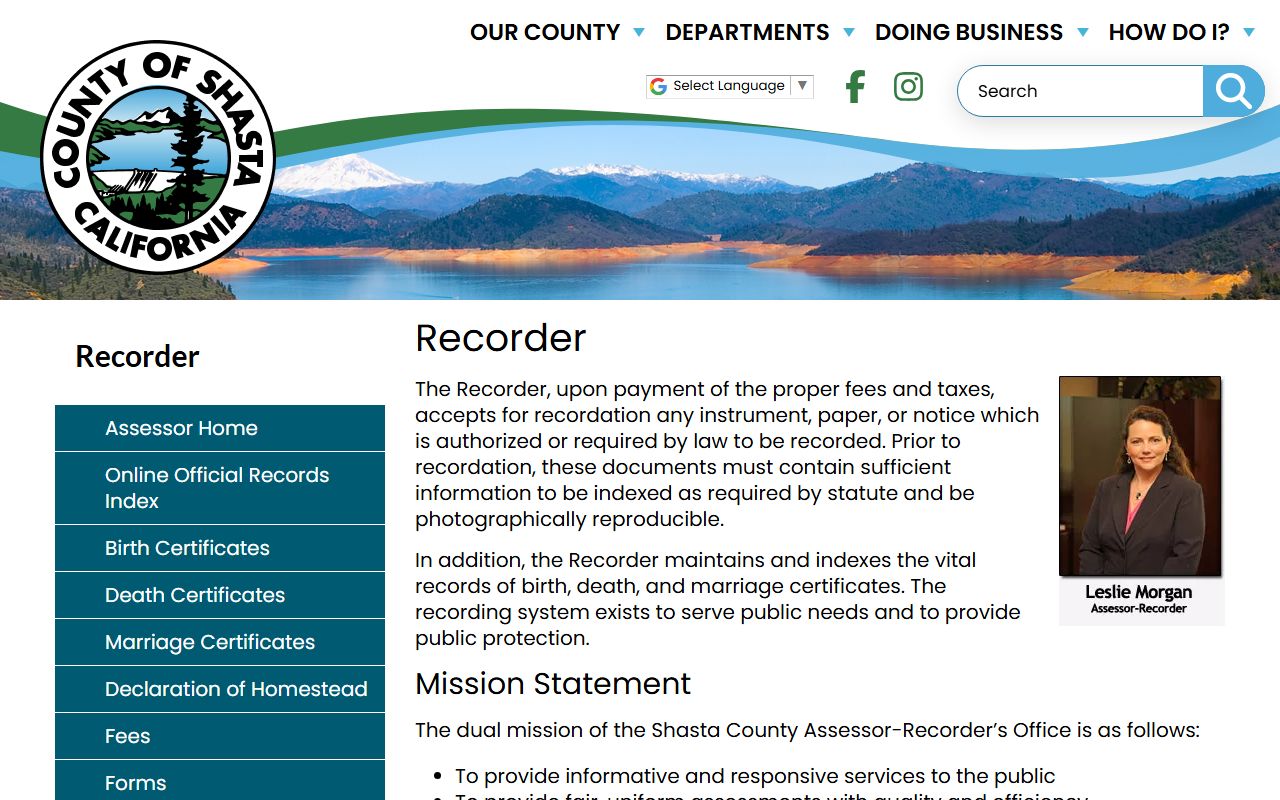
The Shasta County Recorder serves as the primary source for genealogy records. This office keeps birth and death certificates for events in the county and marriage records for licenses issued here. The recorder office is located in the county administrative center in Redding.
Records go back to 1850 when Shasta County was established as one of California's original counties. The Gold Rush brought miners and settlers to this region. Early vital records are sparse since registration was voluntary until 1915. Many pioneers never filed birth or death records. Genealogy researchers should expect gaps in records from the 1850s through 1910s.
| Address |
Shasta County Administration Center 1450 Court Street, Suite 207 Redding, CA 96001 |
|---|---|
| Phone | (530) 225-5671 |
| Hours | Monday through Friday, 8:00 AM to 5:00 PM |
| recorder@shastacounty.gov |
Staff can search electronic databases for recent records and microfilm or paper indexes for older records. Bring as much information as possible to speed up searches. Full names, dates, and locations help staff find records faster.
Birth, Death, and Marriage Records
Birth certificates show a child's name, birth date and place, parents' names, and other family details. Death records include the deceased person's name, death date, age, birthplace, and often parents' names. Marriage records show both spouses' names, marriage date, and sometimes parents. These vital records form the backbone of genealogy research in Shasta County.
Current fees are thirty one dollars for birth certificates, twenty six dollars for death certificates, and nineteen dollars for marriage certificates. These prices cover one certified copy. Extra copies ordered at the same time cost less. Informational copies work for genealogy research and do not require notarized statements like certified copies do.
To order a record, provide the person's full name, date of the event, and location within Shasta County. The more details you give, the faster staff can search. Birth and death records take about three weeks to become available after the event is registered. Older records are already on file and can be searched immediately.
The California Birth Index 1905-1995 on FamilySearch helps verify records exist before ordering copies. This free online database covers births statewide. Search by name and approximate date to find index entries for Shasta County births.
How to Get Shasta County Genealogy Records
Three methods let you order vital records. Walk into the Redding office during business hours. Bring photo ID and details about the record you need. Staff will search their systems and make copies if they find a match. In-person requests often get same-day service when the office is not too busy.
Mail requests work for people who live far from Redding. Download application forms from the county website. Fill them out completely. Include payment by check or money order. Send everything to the Redding address. Processing takes one to two weeks in most cases. The county keeps the fee even if no record is found since it covers search costs.
Online ordering through vendors like VitalChek adds convenience. Pay by credit card and receive copies by mail. These services charge processing fees on top of county fees. Use only vendors linked from the official Shasta County website to avoid scams. Unauthorized sites charge high fees for the same service.
Shasta County Genealogy Resources
The Shasta Historical Society maintains archives and a research library in Redding. Their collections include local family files, photographs, maps, and historical documents. The society focuses on Shasta County history and can help genealogy researchers find information about pioneer families and early settlers.
The Shasta County Library system has genealogy materials at several branches. The main Redding Library has a California History Room with books, microfilm, and digital resources. Staff can guide you to materials about Shasta County families. City directories, newspapers, and local histories supplement official vital records.
Cemetery records provide another valuable source. Shasta County has many historic cemeteries including those in Redding, Anderson, and old mining camps. Find A Grave indexes thousands of local burials with photos of headstones. Cemetery transcriptions often include birth and death dates, family relationships, and other details useful for genealogy research.
The California State Archives in Sacramento holds some Shasta County records transferred from local government. Their collection includes probate files, court records, and selected vital records. Visit the archives reading room or contact staff to learn what Shasta County materials they have.
Shasta County Historical Context
Shasta County began as a Gold Rush destination. Miners flooded into the region starting in 1849. The county was formed in 1850 as one of California's original twenty seven counties. Shasta City served as the first county seat. The town thrived as a supply center for northern mines but declined when the Central Pacific Railroad bypassed it in favor of Redding.
Early settlers included miners, ranchers, loggers, and farmers. Chinese immigrants worked placer mines and built infrastructure. Native American tribes had lived in the region for thousands of years before European contact. Each group left different types of records in different repositories.
The 1906 San Francisco earthquake did not significantly impact Shasta County. Records survived better here than in some coastal counties. However, fires and floods over the decades damaged or destroyed some local records. Recent wildfires have threatened Shasta County communities, though county records remain safe in the Redding facilities.
Modern Shasta County has grown beyond its Gold Rush origins. Redding is the economic center. Tourism, healthcare, and services dominate the economy. Genealogy records from recent decades are more complete than those from pioneer times.
Shasta County Genealogy Research Tips
Start with what you know. Write down names, dates, and places for recent generations. Work backward one step at a time. Do not skip ahead to distant ancestors until you have solid links through each generation. Shasta County records are easier to find when you have accurate details.
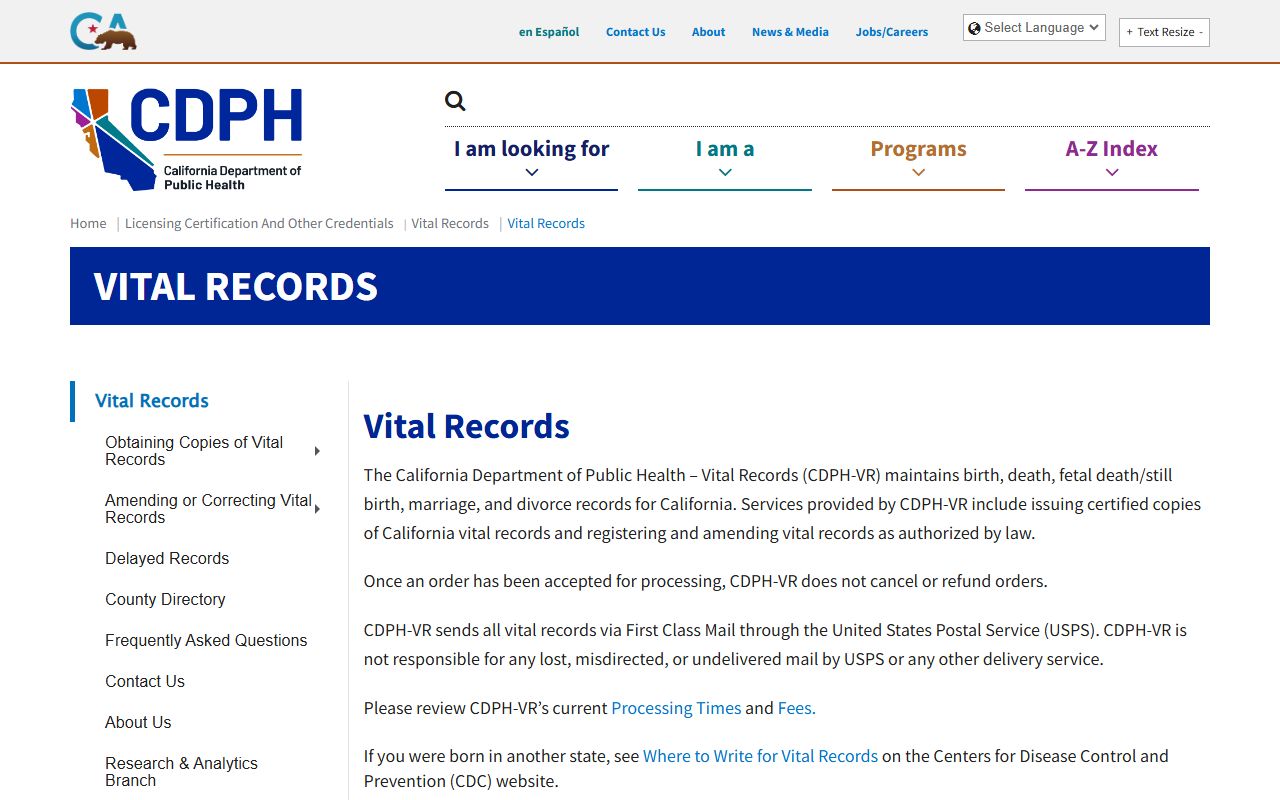
Check both county and state sources. The California Department of Public Health has records from 1905 forward. Shasta County has some earlier records. If one source fails, try the other. Different filing systems mean one might have what the other lacks for genealogy research.
Use secondary sources when vital records are missing. The California Digital Newspaper Collection includes Shasta County newspapers from the 1800s forward. Obituaries, marriage notices, and local news items provide details not found in official records. Probate files list family members and property. Court records document legal disputes that reveal family relationships.
Join genealogy groups focused on Northern California. Members share knowledge about Shasta County records and research strategies. Online forums and local societies can help you connect with distant relatives researching the same family lines. Collaboration speeds research and prevents duplicating work others have done.