
Ventura Genealogy and Family Records
Ventura genealogy records connect families to their past through vital documents maintained by Ventura County offices in the county government center downtown. Birth certificates, death records, and marriage licenses for Ventura residents get filed with Ventura County Clerk-Recorder since Ventura serves as the county seat and administrative center. Officially named San Buenaventura after the 1782 Spanish mission, the city has rich history dating back centuries through the mission era, rancho period, and American settlement. Local museums, libraries, historical societies, and mission archives preserve documents about the diverse families who shaped Ventura from a small coastal community to a thriving city of over one hundred thousand residents.
Ventura Genealogy Quick Facts
Ventura County Vital Records Office
Ventura County maintains all vital records at the Clerk-Recorder office in the county government center downtown. As county seat, Ventura hosts the main office handling birth and death certificates plus marriage licenses for all county residents. The office serves cities throughout Ventura County from Ojai to Oxnard to Thousand Oaks.
Birth certificates cost thirty one dollars per copy. Death records are twenty six dollars. Marriage certificates run nineteen dollars. These prices match California state law for county fees. Processing typically takes two weeks for mail requests. In person visits during business hours may provide faster service when records are readily accessible on file.
Ventura County records begin in 1873 when the county was formed from Santa Barbara County. Earlier vital records require searching Santa Barbara County offices. The Ventura area has much older history through Mission San Buenaventura founded in 1782. Mission records document baptisms, marriages, and burials from the Spanish and Mexican periods before American settlement.
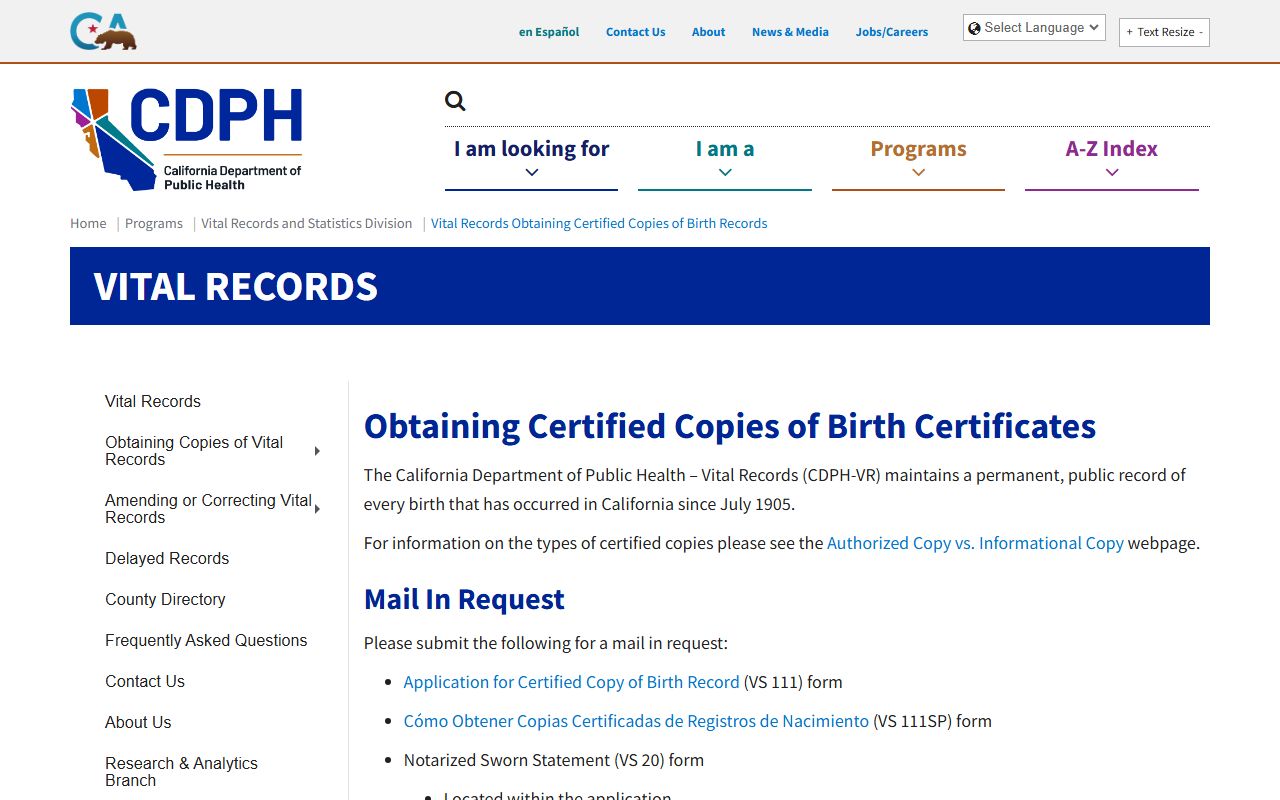
Request informational copies for genealogy work. Informational copies contain identical details as certified copies but do not require notarized statements. They cost the same amount. The California Department of Public Health also processes statewide requests for records from 1905 forward if you prefer state-level processing.
Mission San Buenaventura Records
Mission San Buenaventura was founded in 1782 as the ninth California mission. The mission maintains archives with sacramental records dating back over two centuries. Baptism registers, marriage records, and burial entries document the early population. These records are invaluable for families with Chumash ancestry or descendants of early Spanish and Mexican settlers.
Mission records predate American vital records by decades. California did not have statewide registration until 1905 and compliance remained low until 1915. For ancestors who lived in the Ventura area before 1873, mission registers may be the only documentation available. Church records often provide information missing from civil documents.
The mission archives require appointments for research visits. Contact the mission office to arrange access. Staff can guide researchers through record books and explain historical context. Many California missions have microfilmed their records which are available through LDS Family History Centers and FamilySearch online.
Note: Mission records use Latin and Spanish requiring translation skills for full understanding.
Ventura County Museum Research Archives
The Ventura County Museum maintains research archives with documents, photographs, and materials about local families. Collections include city directories, newspapers, business records, and family papers donated by residents. The museum's Leatherby Libraries Research Center serves genealogy researchers by appointment.
Newspaper archives span decades of Ventura history. The Ventura County Star and earlier publications contain obituaries, marriage announcements, and local news. These sources provide family details often missing from vital records. Clipping files organized by surname help locate relevant articles quickly.
Cemetery records from area burial grounds help trace family connections. Ventura has several historic cemeteries including Ivy Lawn Memorial Park and the old Ventura Cemetery. Burial registers list dates, ages, and family information. Cemetery plot maps show where relatives were buried together.
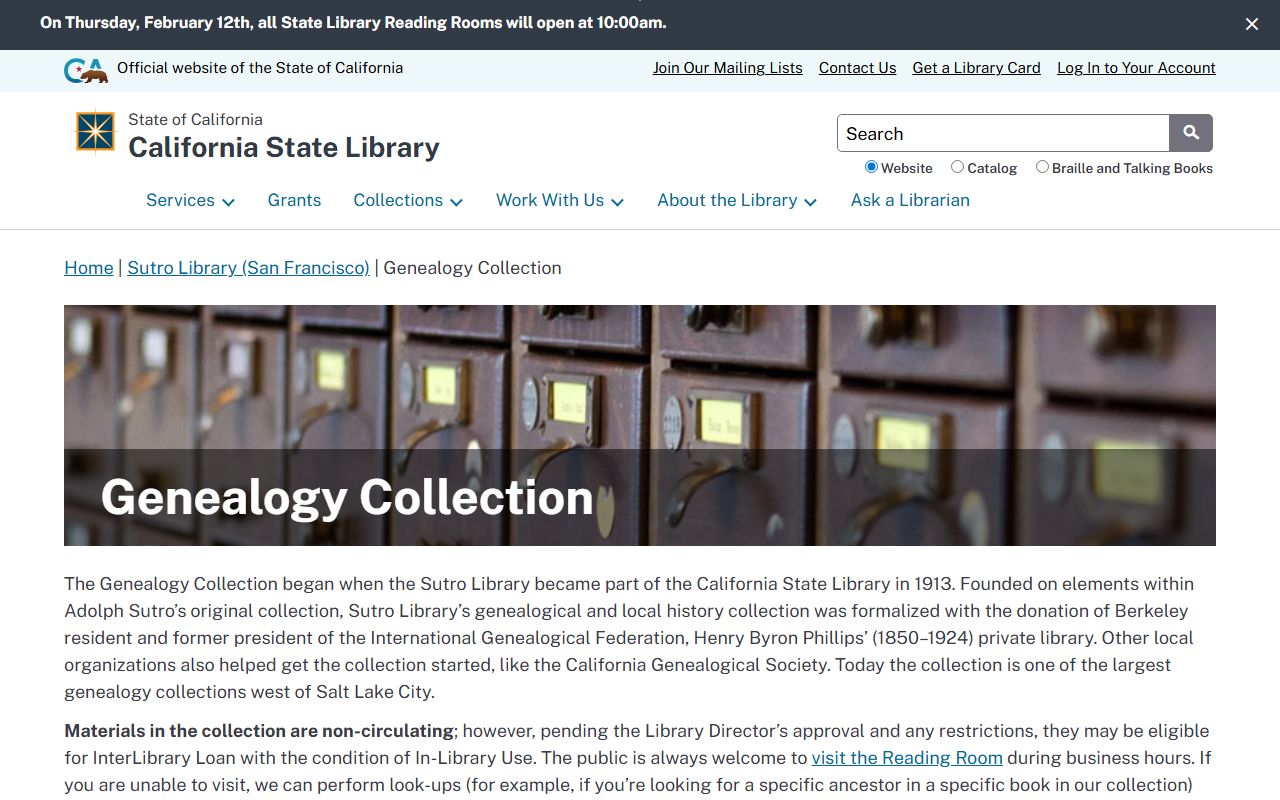
The Sutro Library in San Francisco holds extensive California genealogy materials including cemetery records and county histories. Their collection is one of the largest genealogy libraries west of Salt Lake City. Researchers can visit in person or request specific lookups by email.
Land Records and Property Research
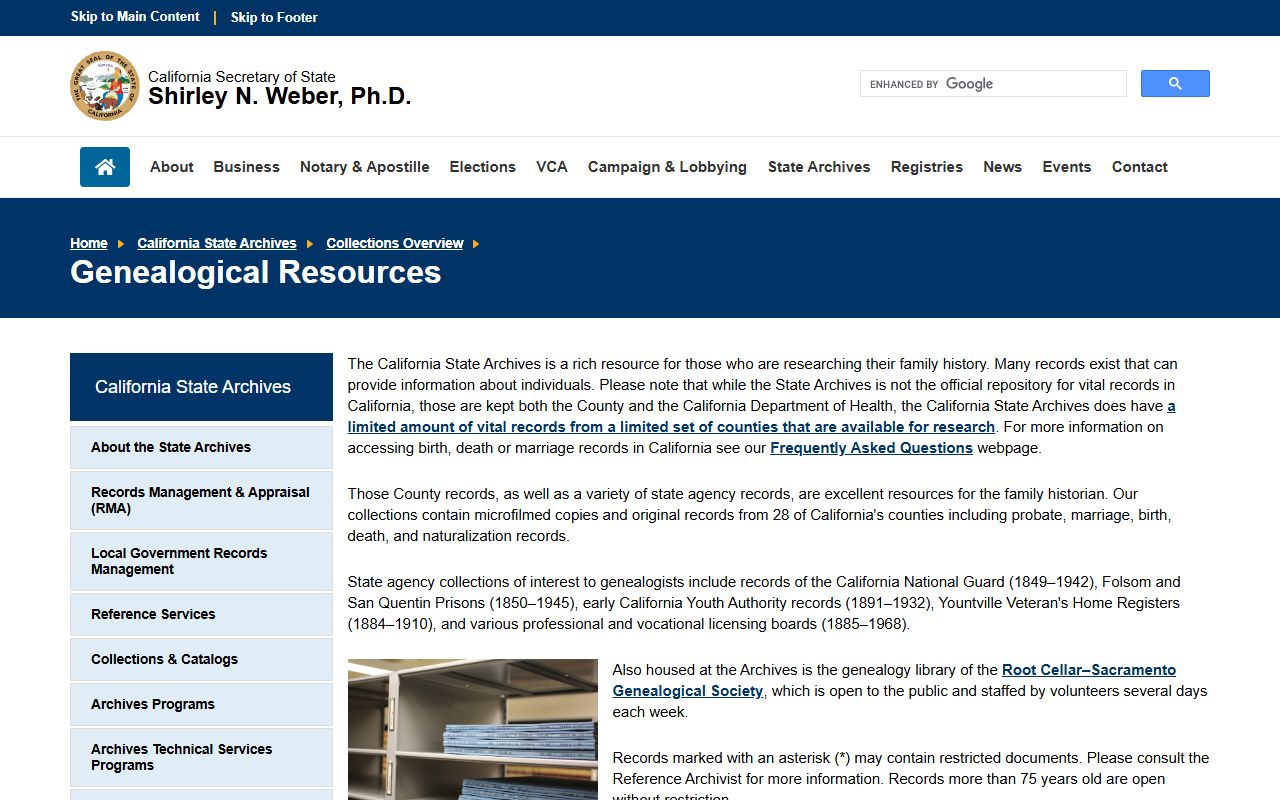
Several Mexican land grants covered the Ventura area before American settlement. Rancho San Miguel, Rancho Ex-Mission de San Buenaventura, and other grants divided the region among early landholders. The California State Archives holds land case files documenting these ranchos and their transition to American ownership after California statehood in 1850.
Ventura County maintains deed records from 1873 forward at the Recorder office. Property documents reveal family relationships through sales, inheritances, and transfers. Many early families owned agricultural land or operated businesses in town. Following property through deed indexes traces family history and economic changes over time.
Tax assessment records complement deed information. The county assessor keeps historical files showing property values and ownership. These records help establish where families lived and what they owned. Probate files list heirs when estates settled. Court records document property divisions, debts, and legal matters affecting families.
Ventura County Library Genealogy Resources
The Ventura County Library system provides genealogy resources through multiple branch locations. The E.P. Foster Library in downtown Ventura serves as a major research facility. Staff can guide patrons toward county offices and online databases. Library computers offer free access to subscription genealogy websites.
City directories from different decades list residents by name, address, and occupation. Phone books supplement directory listings. These sources help track families through address changes and occupational shifts. Local history books document Ventura's development from mission town to modern city.
Census records show Ventura families from 1850 forward. The 1940 census is the most recent public census available. Earlier census years document population growth and demographic changes. Many Ventura residents worked in agriculture, oil production, or service industries. Census listings show occupations and household compositions.
Online Genealogy Databases for Ventura
FamilySearch provides free California vital record indexes. The California Birth Index 1905-1995 includes Ventura County births. Search by name and approximate date to confirm records exist before ordering copies. The index shows basic details but not complete certificate information.
Ancestry.com hosts census records, city directories, and newspapers for Ventura County. Federal census records from 1850 to 1950 are searchable showing household members and details. Many libraries provide free Ancestry access on public computers. Check with local libraries about database availability and remote access options.
The California Digital Newspaper Collection at cdnc.ucr.edu includes Ventura County newspapers. Search for family names to find obituaries, wedding announcements, and articles. The collection expands regularly as more papers get digitized. It provides convenient access to historical newspapers without visiting archives.
Ventura Genealogy Research Tips
Begin with living relatives to gather family information. Interview older family members who remember previous generations. Write down all names, dates, places, and stories. Even approximate information helps. Small details often prove crucial later. Focus on one generation at a time working backward from present to past.
Order multiple types of vital records for each ancestor. Birth certificates list parents and birthplaces. Death records show burial information and informants. Marriage licenses name both families. Each document provides different details. Cross reference multiple sources to verify facts and catch recording errors.
Use census records to track families every ten years. Census listings place people in specific locations at specific times. They show ages, birthplaces, occupations, and household members. Note neighbors and boarders since families often housed extended relatives. Many Ventura families had connections to agriculture or the oil industry.
Check property records if ancestors owned land or homes. Deeds, mortgages, and tax files create paper trails showing purchases, sales, and transfers. Probate files list heirs when property passed through estates. These records reveal family relationships and economic circumstances that shaped family decisions.
Nearby Research Locations
Oxnard is Ventura County's largest city with its own historical collections and libraries. Camarillo and Thousand Oaks also offer research resources. All are part of Ventura County sharing the same vital records offices.
Santa Barbara in Santa Barbara County bordered Ventura before 1873 when the county formed. Early Ventura records are in Santa Barbara County files. The two regions share intertwined history with many families having connections in both areas.