
Escondido Genealogy Records
Escondido genealogy records help trace family history in North San Diego County through vital documents and local archives. Birth, death, and marriage records for Escondido are maintained by San Diego County at their downtown offices. The city name means "hidden" in Spanish, referring to the valley's geographic features. Incorporated in 1888, Escondido is one of San Diego County's oldest cities with settlement records extending back to the rancho era. Libraries, historical societies, and county archives preserve documents beyond basic vital records including city directories, newspapers, photographs, and family papers that enrich genealogy research for Escondido families.
Escondido Research Quick Facts
San Diego County Records for Escondido
San Diego County handles all vital records requests for Escondido residents and their ancestors. The Assessor Recorder County Clerk office processes birth certificates, death records, and marriage licenses. Their main office sits at 1600 Pacific Highway in downtown San Diego. You can order online, by mail, or in person.
Birth certificates cost thirty one dollars. Death records run twenty six dollars. Marriage certificates are nineteen dollars. San Diego County has statewide vital records dating back to July 1905. Earlier records exist for some events through voluntary registration. Marriage records extend to the 1850s since counties maintained those from California statehood.
The San Diego County Recorder website provides forms and instructions for ordering. Standard processing takes about two weeks. Rush service costs extra but delivers faster results. In person visits during office hours often produce same day certificates when records are quickly located.
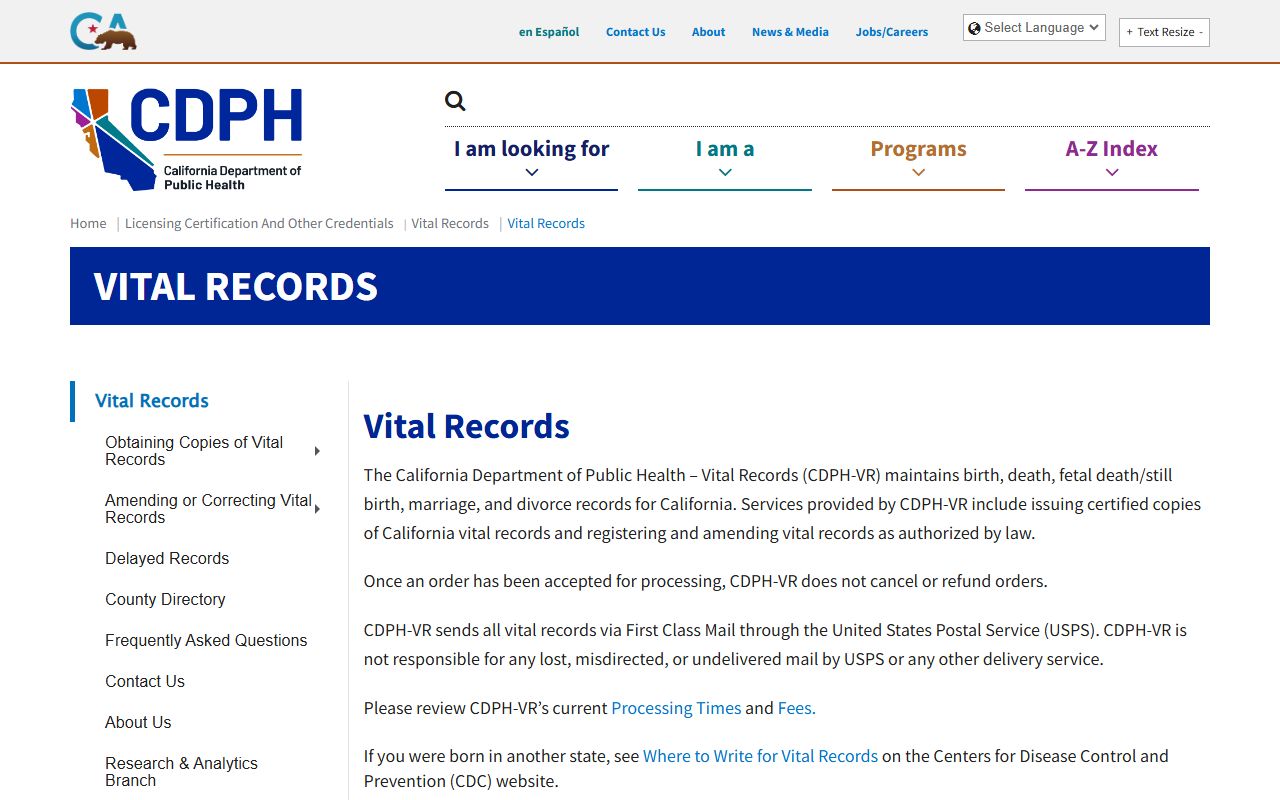
For genealogy work, request informational copies instead of certified copies. Informational copies cost the same but skip notarization requirements. They contain all needed family history data even though marked not valid for ID purposes.
Escondido Public Library Local History
The Escondido Public Library maintains a local history collection with materials specific to North County communities. City directories from past decades list residents by name, address, and occupation. Phone books supplement these with additional listings. Both help trace when families moved to or from Escondido.
Newspaper archives contain obituaries with death dates, family names, and burial information. Wedding announcements appear for local couples. Birth notices were common for prominent families. Community news items mention residents at clubs, schools, businesses, and civic events. These pieces add context to bare vital record facts.
High school yearbooks document students and teachers. Old photographs show Escondido streets, buildings, and community gatherings. Cemetery records list burials at local graveyards. Maps trace city growth from a small settlement to a major North County city. Library staff can guide you to relevant materials for your research period.
Early Escondido Settlement and Ranchos
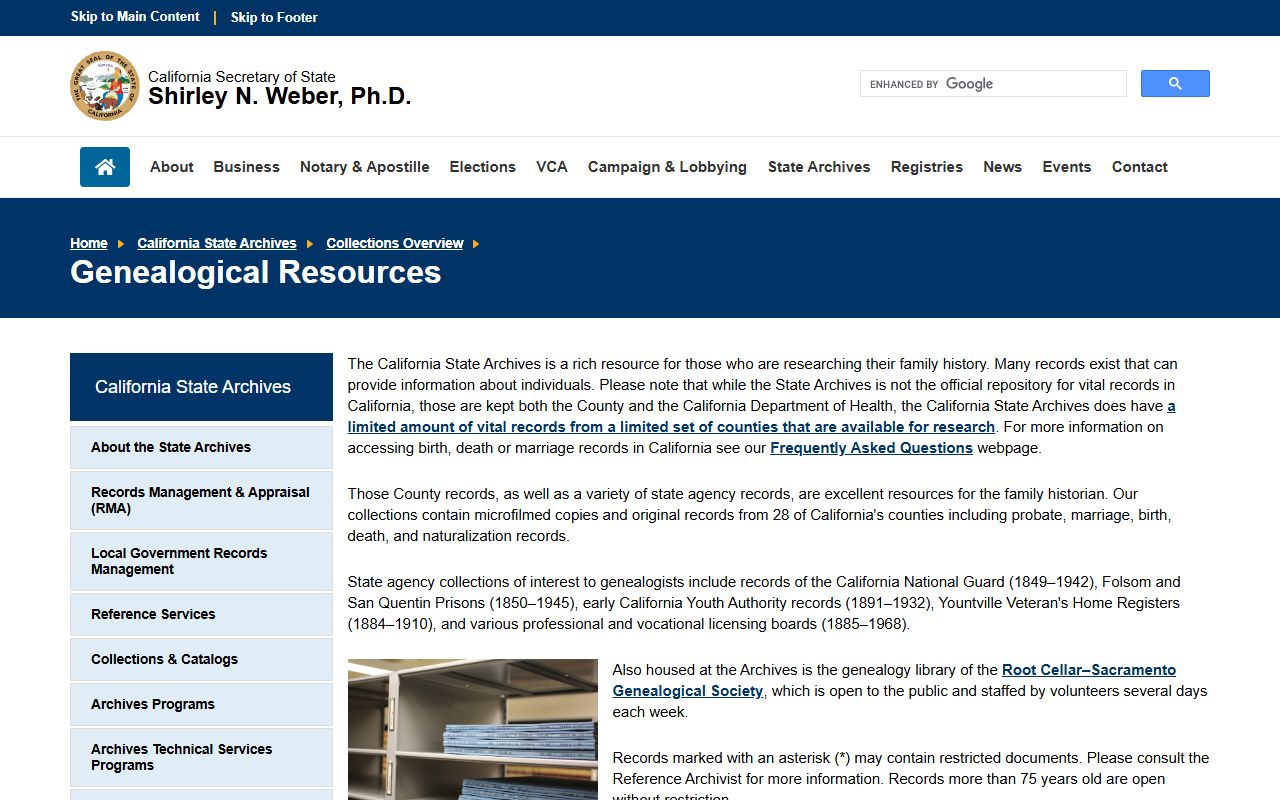
The Escondido area was part of Rancho Rincon del Diablo, a Mexican land grant made to Juan Bautista Alvarado in 1843. Early property records trace back to this rancho period. Families who settled before American acquisition appear in Spanish and Mexican documents. Land grant records sit in San Diego County archives and the California State Archives.
After American settlement, the Escondido Land and Town Company developed the valley in the 1880s. Property sales, surveys, and plat maps document who purchased land. The county recorder keeps historical deed indexes. These help identify early residents and trace family connections through property ownership.
The California State Archives has rancho materials and early county documents. Their collection includes court cases, land claims, and government files from California's territorial and early statehood periods. Census records from 1850 forward list Escondido area residents by household.
Note: Spanish soldiers first explored the area calling it "agua escondida" or hidden water.
Escondido Historical Society Resources
The Escondido History Center preserves artifacts, documents, and photographs related to city history. Their archives include pioneer family papers, business records, and organization files. Cemetery records, church registers, and club membership lists provide genealogy clues beyond official vital records.
The California Center for the Arts in Escondido sometimes hosts genealogy exhibits and programs. Contact them about upcoming events or historical presentations. The San Diego Genealogical Society serves researchers throughout the county including Escondido families. Their library contains books, microfilm, and databases covering California and other states.
The California State Genealogical Society maintains offices in San Diego. Membership provides access to research assistance and publications. Both organizations offer classes on research techniques and maintain surname files. Volunteer researchers may help with lookups if you cannot visit in person.
Online Genealogy Resources for Escondido
FamilySearch offers free California vital record indexes. The California Birth Index covers 1905 to 1995. The California Death Index spans 1905 to 1939. Search these to confirm Escondido records exist before ordering copies. The indexes show names and dates but not full certificate details.
Ancestry.com has digitized census records, city directories, and newspapers for San Diego County. Federal census records from 1850 to 1950 are publicly searchable. They list household members, ages, birthplaces, and occupations. Many public libraries provide free Ancestry access on-site. Check with local branches about database availability.
The California Digital Newspaper Collection includes San Diego area papers. Search for Escondido to find articles, obituaries, and community news about local families. The collection expands as more newspapers are digitized and added.
Tips for Researching Escondido Ancestors
Start with what you know. Interview living relatives to gather names, dates, and stories about ancestors who lived in Escondido. Write down everything including approximate information. Small details can solve difficult research problems. Focus on one generation at a time working backward from present to past.
Use census records to track families every ten years. The 1940 census is now public showing Escondido during World War II. Earlier census years document the city's growth from pioneer settlement. Note neighbors and nearby families since people often migrated together or intermarried within communities.
Order multiple record types for each ancestor. Birth certificates list parents. Death records show birthplaces and informants. Marriage licenses name both families. Probate files identify heirs. Each document type reveals different information. Cross reference them to verify facts and catch recording errors.
Escondido attracted settlers from diverse backgrounds. If your ancestors immigrated, check naturalization records. San Diego County keeps citizenship files dating to the 1800s. These list family members, arrival dates, and countries of origin. They help connect California records back to ancestral homelands in Europe, Asia, or Latin America.
Nearby Cities for Genealogy Research
San Diego has the most extensive genealogy collections in the county. The main public library and historical center offer materials beyond what branch libraries hold. El Cajon also serves east county with local history resources.
Oceanside and Carlsbad are coastal North County cities with their own historical collections. Families often moved between inland and coastal communities. Check neighboring areas if your Escondido research stalls.