
Find Elk Grove Genealogy Records
Elk Grove genealogy records trace family history through vital documents maintained by Sacramento County. Birth certificates, death records, and marriage licenses for Elk Grove residents are filed at the county clerk recorder office in downtown Sacramento. Established in 1850 as a stop on the route to Sutter's Fort, Elk Grove has deep historical roots despite incorporating as a city only in 2000. The town served miners, farmers, and travelers for over a century before formal incorporation. Local libraries and historical societies preserve city directories, newspapers, photographs, and documents that supplement official vital records for genealogy research.
Elk Grove Family History Facts
Sacramento County Vital Records for Elk Grove
Sacramento County maintains all vital records for Elk Grove. The County Clerk Recorder office in downtown Sacramento handles requests for birth certificates, death records, and marriage licenses. You can order online through their portal, mail applications, or visit their office at 600 8th Street.
Birth certificates cost thirty one dollars per copy. Death records are twenty six dollars. Marriage certificates run nineteen dollars as of 2026. Sacramento County has statewide vital records from July 1905 forward. Some earlier records exist from voluntary registration, particularly marriage records that date back to the Gold Rush era.
The Sacramento County Clerk Recorder website provides online ordering for vital records. Their Permitium portal lets you submit requests electronically. Processing typically takes two weeks for standard service. In person visits during office hours may produce same day results if the record is readily accessible. Bring photo identification and exact details for the record you seek.
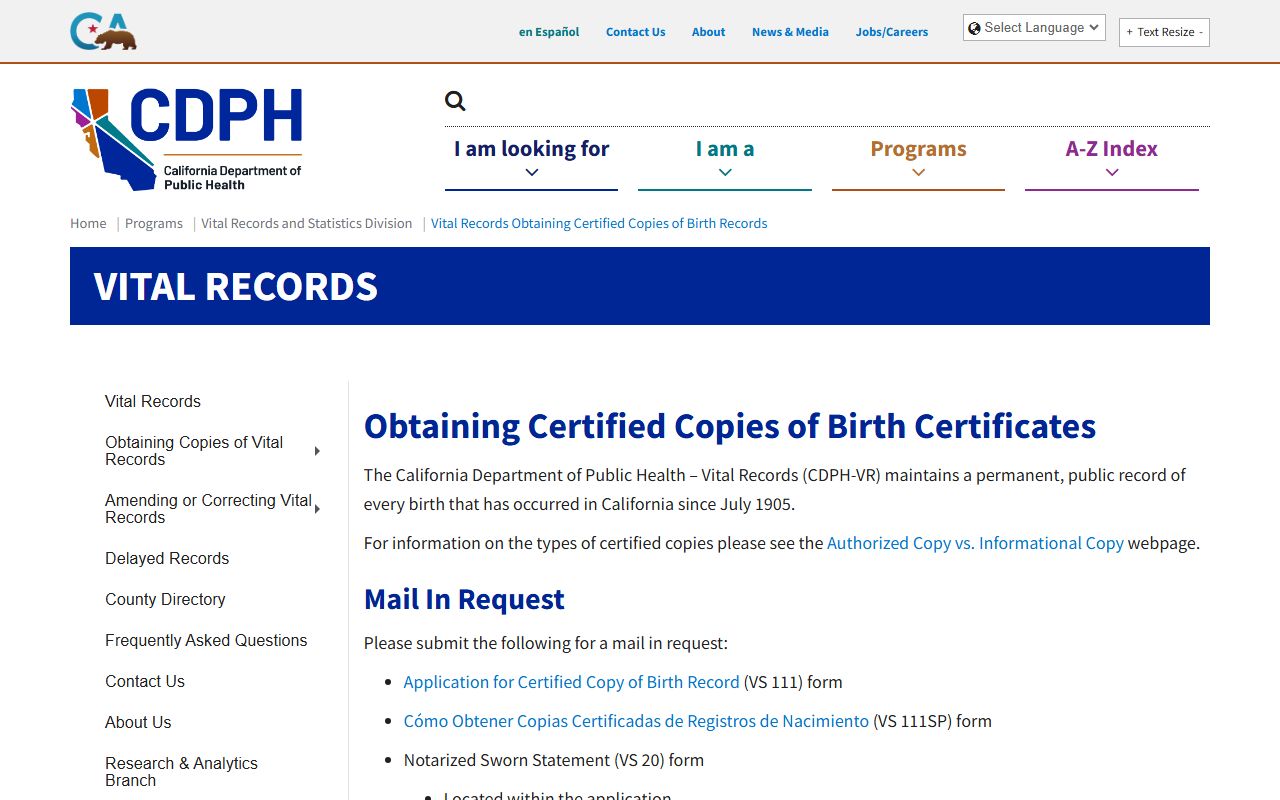
Genealogy researchers should request informational copies rather than certified copies. Informational copies contain all the same genealogy data but do not require notarized sworn statements. The informational legend does not affect their value for family history research.
Elk Grove Historical Society Resources
The Elk Grove Historical Society preserves artifacts and documents related to local history. Their collection spans from the town's 1850 founding through modern development. Pioneer family papers, business records, and photographs document the community's evolution. The society maintains files on surnames of early settlers and prominent families.
The Elk Grove Hist oric District includes forty eight buildings of historical significance. The general store, Foulks House built in 1853, and Rhoads School from 1872 stand as landmarks. Property records and building histories help trace families who lived and worked in these structures. The historical society can guide researchers to relevant materials.
City directories and business listings show residents and their occupations over the decades. Newspapers contain obituaries, wedding announcements, and community news. Cemetery records document burials at local graveyards. All these sources add depth beyond basic vital statistics.
Elk Grove's Gold Rush Era History
Elk Grove began in 1850 as a stop for travelers heading to Sutter's Fort and the gold fields. Its location on the route from San Francisco made it a natural crossroads. Early settlers established farms and businesses to serve miners and emigrants. Many pioneer families stayed after the Gold Rush ended.
Sacramento County property records trace land ownership from the 1850s forward. Early deeds, surveys, and homestead claims document who settled where. The county recorder maintains these historical records. Some families acquired large ranches. Others purchased town lots for businesses.
The California State Archives holds early Sacramento County documents including court records, land claims, and government files. Their collection helps research families from California's first decades of statehood. Census records beginning in 1850 list Elk Grove residents by household.
Note: Elk Grove's proximity to Sutter's Fort made it a key supply point during California's settlement.
Sacramento Regional Genealogy Collections
The Center for Sacramento History maintains extensive archives for the region. Their collection includes Elk Grove materials along with broader county resources. Photographs, maps, city directories, and manuscript collections document area families. Researchers can visit their facility or contact staff for guidance.
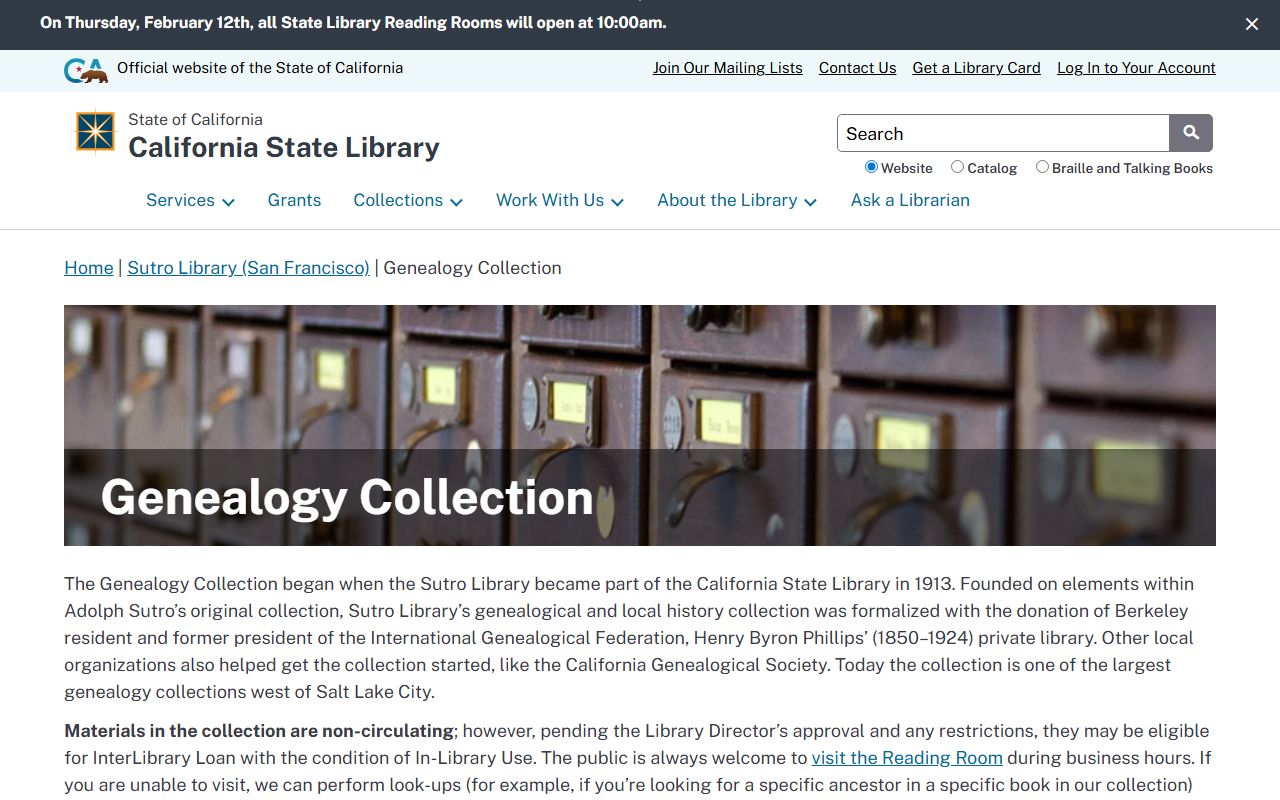
The Sacramento Public Library has a genealogy section with books, microfilm, and databases. Their collection covers Sacramento County history from pioneer days forward. Staff can help locate materials relevant to Elk Grove research. The library provides access to subscription databases on-site.
The Sacramento Genealogical Society serves researchers throughout the region. They maintain a research library with materials beyond what public libraries hold. Membership provides access to classes, publications, and research assistance. Many genealogists join to tap into specialized resources and expertise.
Online Databases for Elk Grove Research
FamilySearch provides free indexes to California vital records. The California Birth Index 1905-1995 includes Elk Grove births during that span. Search by name and approximate date to confirm records exist before ordering copies. The index shows basic facts but not complete certificate details.
Ancestry.com has digitized census records, city directories, and newspapers for Sacramento County. Federal census records from 1850 to 1950 are publicly searchable. They list household members with ages, birthplaces, and occupations. Many libraries offer free Ancestry access from their computers. Check with local branches about database availability.
The California Digital Newspaper Collection includes Sacramento area papers. Search for Elk Grove to find articles, obituaries, and announcements about local families. The collection expands regularly as more papers are digitized.
Strategies for Elk Grove Genealogy Research
Start with living family members. Interview them to gather names, dates, and stories about ancestors who lived in Elk Grove. Write everything down even if you cannot verify it immediately. Small details often solve tough research problems. Focus on one generation at a time working backward from the present.
Use census records to track families every ten years. The 1940 census is now public. It shows Elk Grove households during World War II. Earlier census years document the town's development from a small settlement to a major city. Note neighbors since families often migrated together or formed lasting community ties.
Order multiple types of vital records for each person. Birth certificates list parents and birthplaces. Death records show informants and burial locations. Marriage licenses name both families. Probate files identify all heirs. Each document reveals different information. Compare them to verify facts and catch clerk errors.
Elk Grove remained unincorporated until 2000. Pre-2000 records might be indexed simply as Sacramento County. Try searching under county name if you cannot find records under Elk Grove specifically. Place names and boundaries changed over time which affects how records were filed.
Nearby Cities for Genealogy Research
Sacramento has the most extensive genealogy collections in the region. The main library and Center for Sacramento History offer resources beyond what smaller branches hold. Stockton in San Joaquin County sits nearby with its own historical collections.
Modesto in Stanislaus County also has regional resources. Families often moved between valley communities for farm work and business opportunities. Check neighboring counties if your Elk Grove research reaches dead ends.