
El Monte Genealogy and Family History
Genealogy records for El Monte families are kept at Los Angeles County offices in Norwalk and downtown locations. Birth certificates, death records, and marriage licenses for events in El Monte must be requested through the county registrar recorder. El Monte sits in the San Gabriel Valley, about twelve miles east of downtown Los Angeles. The city incorporated in 1912, though settlement dates back much earlier. Spanish missionaries called the area "El Monte" meaning "the mountain" or "the mount" in reference to nearby terrain. Local historical societies and libraries supplement official vital records with city directories, newspapers, and family papers that enrich genealogy research.
El Monte Genealogy Research Facts
Los Angeles County Vital Records
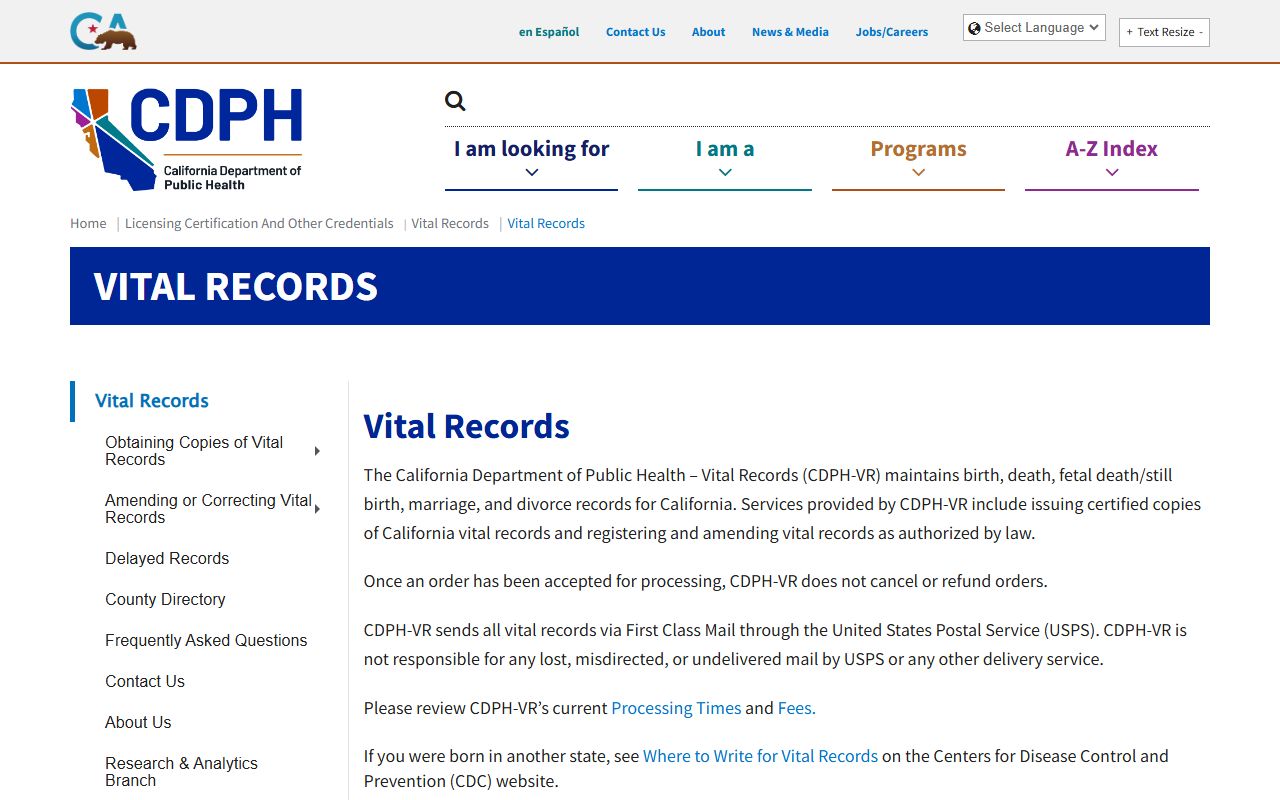
All birth, death, and marriage records for El Monte are maintained by Los Angeles County. The Registrar Recorder/County Clerk has offices in Norwalk, downtown Los Angeles, and several district locations. Their main facility in Norwalk handles most genealogy requests. You can order online, mail applications, or visit in person.
Current fees are thirty one dollars for birth certificates, twenty six dollars for death records, and nineteen dollars for marriage certificates. Los Angeles County has vital records from July 1905 forward under statewide registration. Some earlier records exist from voluntary registration. Marriage records extend back to the 1850s since counties kept those from California's early statehood.
The Los Angeles County Registrar Recorder offers online ordering through their website. You can search indexes to confirm records exist before ordering copies. Processing takes about two weeks for standard requests. In person service provides faster results when records are readily available. Bring identification and exact details about the record you seek.
Ask for informational copies when doing genealogy research. These cost the same as certified copies but do not require notarized statements. They contain all the family history data you need. The informational legend stating they cannot establish identity does not matter for genealogy purposes.
El Monte Public Library Local History
The El Monte Public Library maintains a local history collection with materials specific to the city. City directories dating back decades list residents by name, address, and occupation. Phone books provide additional listings. These directories help trace when families moved to or from El Monte.
Newspaper archives include local papers with obituaries, wedding announcements, and birth notices. Community news mentions residents at events, businesses, schools, and organizations. High school yearbooks document students and teachers. Old photographs show city streets, buildings, and gatherings. Some photos identify individuals.
Maps trace El Monte's growth from a small settlement to a city of over one hundred thousand people. Cemetery records list burials at local graveyards. Church records sometimes appear in library collections when congregations donate materials. All these sources add depth to genealogy research beyond bare vital statistics.
El Monte and the Santa Fe Trail
El Monte earned the nickname "The End of the Santa Fe Trail" due to its location. Settlers traveling overland from the eastern United States ended their journey here. Many families arrived in the 1840s and 1850s before California statehood. Early settlement records trace back to rancho era land grants.
Property records help identify pioneer families. Los Angeles County maintains deed indexes going back to the 1850s. Land transfers, mortgages, and surveys document ownership. Some early families acquired rancho lands. Others purchased smaller parcels as the area subdivided. County recorder offices hold these historical property documents.
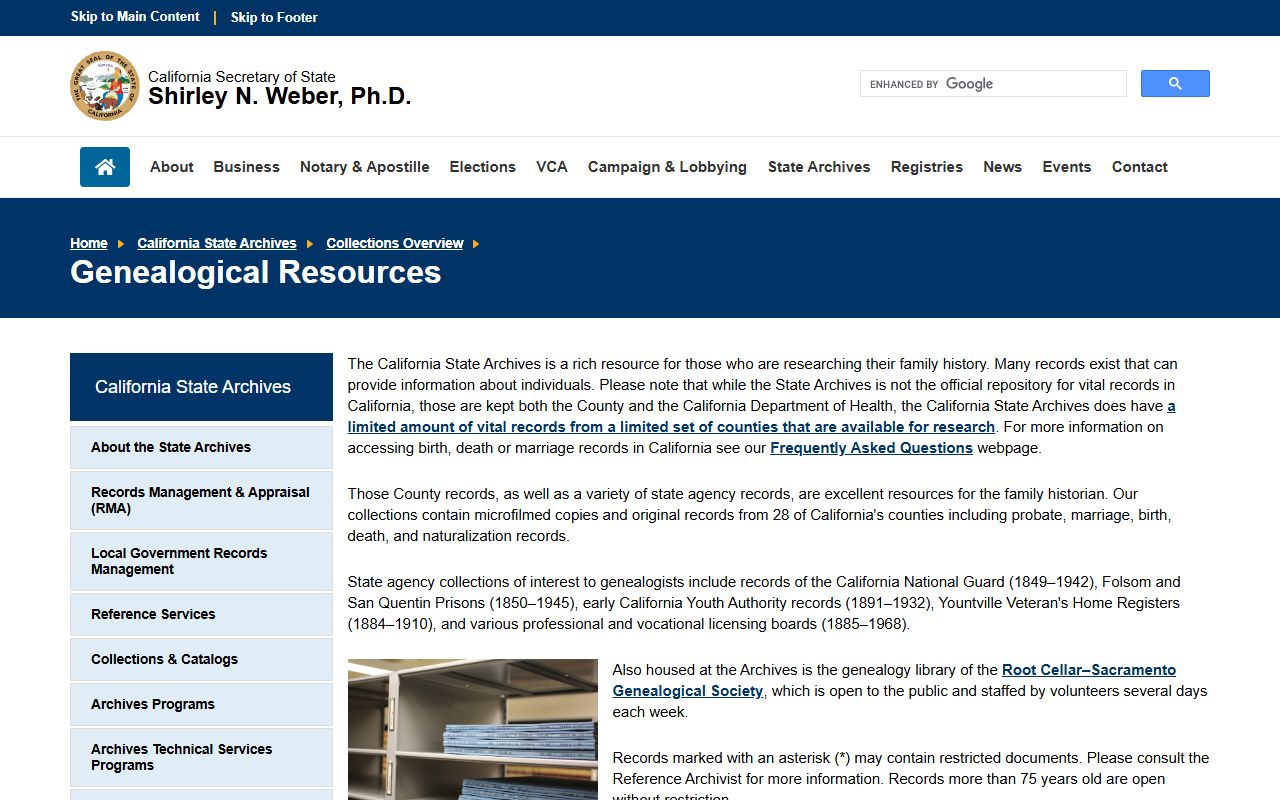
The California State Archives preserves early California records including land grants, court cases, and government documents. Their collection helps research families who lived in El Monte before and shortly after statewide incorporation. Census records from 1850 forward list El Monte residents by household.
Note: El Monte is credited as the birthplace of TV variety shows with Hometown Jamboree in the 1950s.
San Gabriel Valley Genealogy Resources
El Monte sits in the San Gabriel Valley with several neighboring communities. The Homestead Museum in the City of Industry preserves local history for the valley. Their archives include materials on El Monte and surrounding areas. Researchers can view collections by appointment.
The Southern California Genealogical Society in Burbank serves the greater Los Angeles area including El Monte. Their library has over forty thousand volumes covering California genealogy plus materials for other states. Membership provides access to databases, classes, and research help. Many genealogists join for resources not available elsewhere.
San Gabriel Mission, founded in 1771, maintains baptism, marriage, and burial registers dating back to Spanish colonial times. If your ancestors were Catholic and lived in the area before American rule, mission records may document them. The California Genealogical Society in Oakland has filmed many mission registers.
Online Genealogy Databases for El Monte
FamilySearch offers free California vital record indexes. The California Birth Index 1905-1995 includes El Monte births from that period. Search by name and approximate date to locate records before ordering copies. The index shows basic information but not full certificate details.
Ancestry.com has digitized census records, city directories, and other collections for Los Angeles County. Federal census records from 1850 to 1950 are public. They list household members, ages, birthplaces, and occupations. Many libraries provide free Ancestry access on-site. Check with El Monte Public Library about database availability.
The California Digital Newspaper Collection at cdnc.ucr.edu includes digitized papers from across the state. Search for El Monte to find articles, obituaries, and community news. The collection grows as more newspapers are digitized. It supplements local library newspaper holdings.
Research Tips for El Monte Families
Begin with what you know and work backward. Interview living relatives to gather names, dates, and locations. Write down family stories even if you cannot immediately verify them. Details that seem unimportant often become crucial clues. Focus on one generation at a time rather than jumping to distant ancestors.
Use census records to track families through the decades. The 1940 census recently became public. It documents El Monte during World War II. Earlier census years show the city's development. Note neighbors and nearby families since people often migrated together or formed community bonds.
Order multiple record types for each ancestor. Birth certificates list parents. Death records show birthplaces and informants. Marriage licenses name both families. Probate files identify all heirs. Each document adds different information. Cross reference them to verify facts and spot errors.
El Monte has a large Hispanic and Asian population. If your family immigrated from Mexico, China, or other countries, check naturalization records. Los Angeles County keeps citizenship files dating back to the 1800s. These list family members, arrival dates, and countries of origin. They help connect California records back to ancestral homelands.
Related Cities for Genealogy Research
Los Angeles offers the most extensive genealogy collections in the county. The main public library has a dedicated genealogy department with vast holdings. Pasadena has strong historical societies serving the San Gabriel Valley region.
Glendale and Downey are neighboring Los Angeles County cities with local history resources. Families often moved between valley communities. Check neighboring areas if your El Monte research hits dead ends. Santa Ana in Orange County sits nearby for families who crossed county lines.